2026 Best Distribution Substation Solutions for Global Buyers?
As the demand for reliable power distribution grows, selecting the best Distribution Substation solutions becomes crucial for global buyers. Distribution substations play a vital role in ensuring safe and efficient power delivery. They help manage voltage levels, protect equipment, and enhance grid stability.
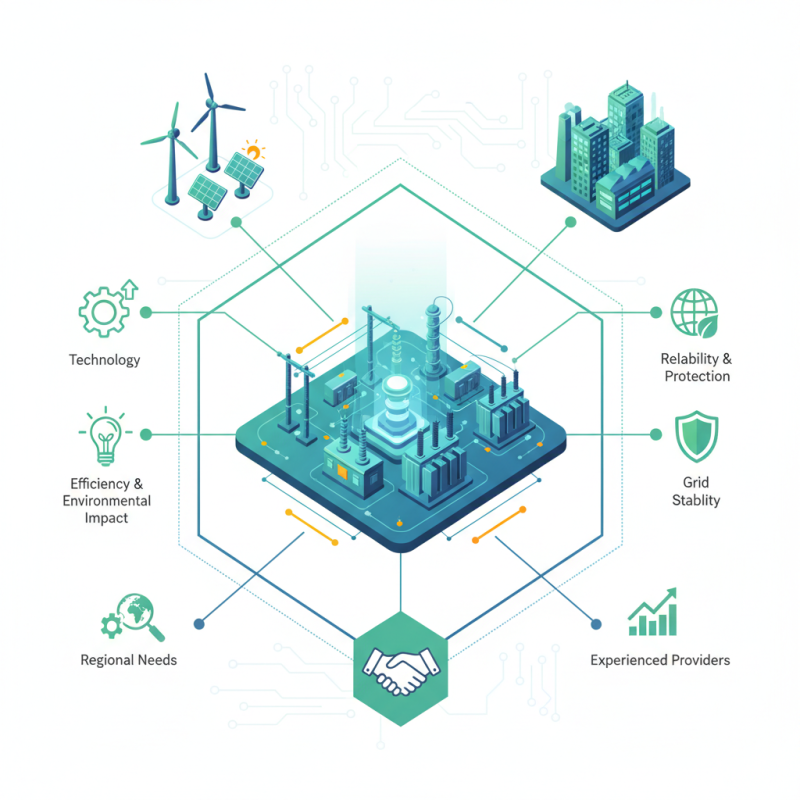
In today's rapidly changing energy landscape, innovation is key. Buyers must consider factors like technology, efficiency, and environmental impact when choosing their solutions. Substation technologies are evolving, offering smarter integration with renewable energy sources. However, the vast array of options can be overwhelming, and not all solutions are suitable for every context.
Understanding specific regional needs and challenges is imperative. Buyers must critically assess available solutions, keeping in mind their unique infrastructure. It is essential to work with experienced providers, ensuring quality and reliability. The right Distribution Substation can make a significant difference in performance and sustainability for years to come.
Overview of Distribution Substations and Their Importance
Distribution substations
play a crucial role in electrical systems. They convert high-voltage electricity from transmission lines to lower voltages suitable for consumer usage. According to a report by the International Energy Agency, these substations are essential for ensuring reliable power distribution. In 2022, global investments in distribution infrastructure exceeded
$200 billion, highlighting their importance in modern energy grids.
The design and structure of distribution substations have evolved significantly. With the rise of renewable energy sources, substations must integrate diverse inputs. Data from Energy Research & Consultancy suggests that over
30% of new distribution substations will incorporate smart technologies by 2026. These advancements can enhance operational efficiency but also present software complexities that require careful management.
Despite technological progress, challenges remain. Aging infrastructure in many regions can impede service reliability. A report from the U.S. Department of Energy indicates that nearly
30% of substations in the U.S. are over
30 years old. This underlines the necessity for modernization efforts. Regular assessments and upgrades are vital to maintaining
functionality and resilience in the power grid.
Key Features to Look for in Distribution Substation Solutions
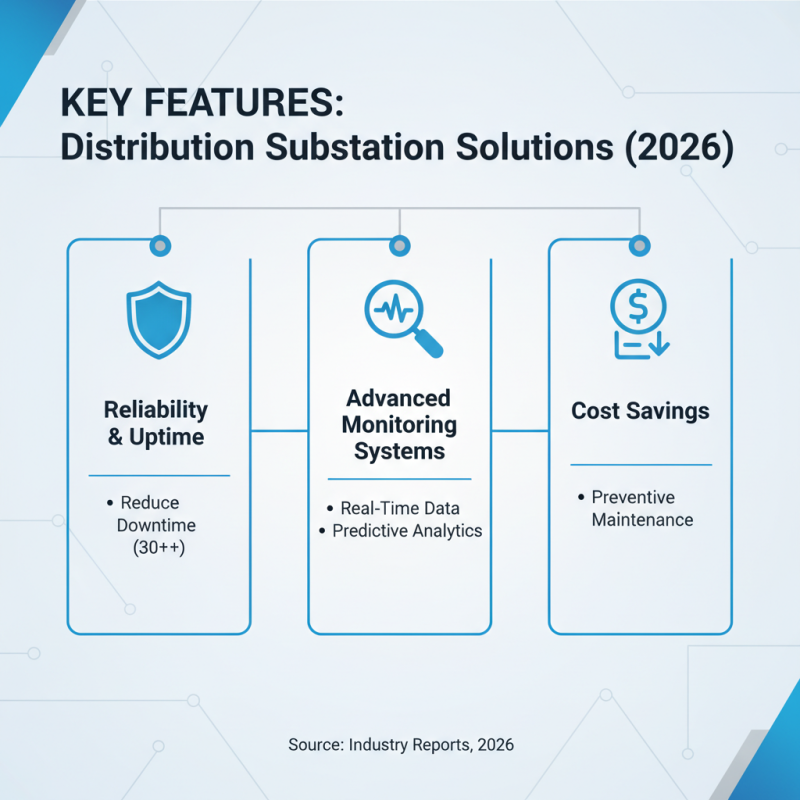
When considering distribution substation solutions in 2026, buyers must focus on key features that enhance functionality and reliability. Advanced monitoring systems are crucial. They provide real-time data analysis, which ensures optimal performance. According to recent industry reports, substations with integrated monitoring can reduce downtime by up to 30%. This capability allows operators to pinpoint issues before they escalate, ultimately saving costs.
Another critical aspect is scalability. As energy demands grow, substations must adapt. A flexible design can help meet increasing loads without extensive overhauls. Research indicates that adaptable substations can accommodate up to 50% more capacity than traditional setups. Such scalability is vital in a rapidly changing energy landscape, marked by the rise of renewable sources.
Additionally, safety features cannot be overlooked. Improved insulation and advanced circuit breakers are essential. These elements protect both equipment and personnel. However, not all solutions prioritize safety equally. Studies show that outdated equipment can lead to accidents and inefficiencies. Thus, it is imperative to evaluate the safety credentials of potential solutions carefully. Overall, focusing on these elements will guide global buyers toward effective distribution substations that meet future demands.
Top Global Manufacturers of Distribution Substation Equipment
In recent years, distribution substations have become essential for efficient power management. These facilities convert high-voltage electricity into usable levels for consumers. The demand for reliable and innovative solutions is driving manufacturers to enhance their offerings. Many global manufacturers are focusing on smart grid technology. This shift improves efficiency and enhances responsiveness to energy needs.
Top manufacturers prioritize the durability and longevity of their distribution substation equipment. They utilize advanced materials and cutting-edge technology. Safety features are integrated to protect both the equipment and the personnel. However, some manufacturers struggle with outdated designs. These designs can lead to inefficient energy distribution. Continuous innovation is necessary to meet the evolving demands of the market.
The role of global manufacturers extends beyond just equipment. Many provide comprehensive support and maintenance services. This ensures that substations operate at peak performance over their lifespan. However, not every company excels in post-installation support. Buyers must evaluate these providers carefully to ensure reliable assistance. The focus should always remain on sustainability and efficiency in their solutions.
2026 Best Distribution Substation Solutions
Emerging Technologies in Distribution Substation Design and Operation
Emerging technologies in distribution substation design and operation are reshaping the energy landscape. Innovations like smart grid solutions are enhancing efficiency and reliability. According to a recent industry report, nearly 45% of substations are integrating automation technologies. This shift allows for real-time monitoring and faster response to outages.
Energy storage systems are becoming essential. They provide backup during peak demand. This integration can reduce operational costs significantly, with estimates suggesting up to 30% savings in energy expenditure. However, there is a learning curve. Not all utilities are prepared for these changes.
Tips: Invest in training for staff. Understanding new technologies is crucial.
Grid modernization also involves implementing digital twins for better predictive maintenance. These simulations help predict failures and optimize performance. It's clear that while these advancements hold promise, a thoughtful, staged approach is necessary. The potential for overreliance on technology could lead to unforeseen challenges.
Tips: Regularly assess the technology's integration. Reflection is key to ongoing improvements.
2026 Best Distribution Substation Solutions for Global Buyers
| Solution Type |
Key Features |
Technology |
Applications |
Benefits |
| Smart Grid Solutions |
Real-time monitoring, automated controls |
IoT, AI Analytics |
Urban areas, remote monitoring |
Increased efficiency, reduced downtime |
| Modular Substations |
Flexible design, rapid deployment |
Prefabricated structures |
Construction sites, temporary setups |
Cost-effective, quick installation |
| Renewable Energy Integration |
Supports solar/wind sources, grid balancing |
Energy storage systems |
Solar parks, wind farms |
Sustainable energy, lower emissions |
| Advanced Protection Relays |
Enhanced security, smart diagnostics |
Digital technology |
Substation automation |
Safety, reliability |
| Energy Management Systems |
Data-driven insights, real-time analytics |
Cloud technology |
Grid operations, industrial applications |
Optimized consumption, cost savings |
Market Trends and Future Projections for Distribution Substations
The distribution substation sector is evolving rapidly. Innovations in technology are reshaping how these facilities operate. Enhanced automation and advanced monitoring systems are becoming essential to optimize performance. Global energy demands are rising, compelling operators to seek efficient distribution solutions.
One notable trend is the push for sustainability. Renewable energy sources are driving changes in distribution substation design. Utilities are integrating more solar and wind power, which affects load management strategies. Adapting to this new energy mix can pose challenges for existing infrastructure. Operators must evaluate their capacity to manage these shifts effectively.
Another critical aspect is cybersecurity. As substations become more digitized, they become vulnerable to threats. Ensuring robust security measures is paramount. Utility companies must stay informed about potential risks. Regular training and updates can help mitigate these issues. Balancing innovation with safety is a continuous journey, requiring ongoing assessment and adaptation.






 Claire
 Mr.Fu
Mr.Fu

 Claire