Best Electrical Switchgear Solutions for Global Buyers?
In the evolving landscape of power distribution, Electrical Switchgear plays a pivotal role. It encompasses a range of equipment that facilitates the safe management of electrical systems. This intricate network ensures reliable electricity flow while protecting circuits from faults or overloads. Thus, choosing the right switchgear solution becomes critical for global buyers.
Understanding local infrastructure needs is vital. Global buyers should recognize that not all switchgear suits every region. Factors like voltage levels and environmental conditions need consideration. Additionally, buyers must find manufacturers with proven expertise in Electrical Switchgear. Reliable solutions often stem from experience and innovation. Competent vendors can provide custom solutions tailored to specific market demands.
However, the decision process can be daunting. Some buyers may overlook essential features or specifications. This could lead to higher costs and operational downtime. Thus, a thorough understanding of Electrical Switchgear is necessary. Taking the time to research can save future troubles, ensuring that the chosen equipment efficiently meets both current and future needs.
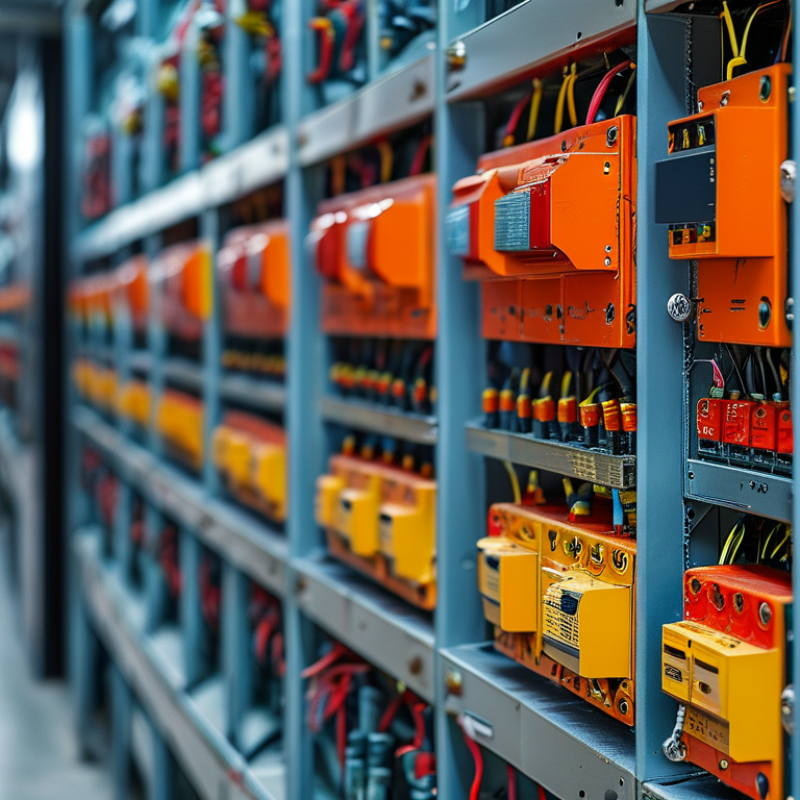
Overview of Electrical Switchgear and Its Importance in Power Systems
Electrical switchgear plays a pivotal role in power systems. It is essential for controlling, protecting, and isolating electrical equipment. In any power grid, switchgear provides a means to manage electricity flow efficiently. This ensures the stability and continuity of power supply, reducing the risk of outages.
Understanding the types of switchgear is crucial. Air-insulated switchgear (AIS) and gas-insulated switchgear (GIS) are common options. Each type has unique advantages and drawbacks. AIS is generally more exposed and easier to maintain. However, it requires more space and is less efficient in high-density areas. GIS, on the other hand, offers a compact design but can be costlier to install and repair.
Inadequate switchgear can lead to failures and safety risks. Many systems face outdated inspections or maintenance gaps. These issues raise concern about reliability in critical power infrastructures. Regular assessments are vital to ensure compliance and performance. A robust switchgear system is not just an asset; it is a necessary component for operational success in any electric network.
Types of Electrical Switchgear Solutions Available in the Market
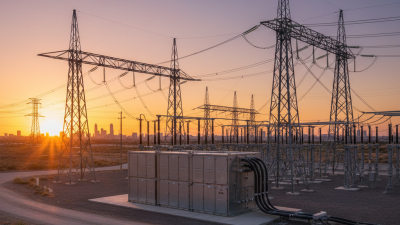
Electrical switchgear is essential for power distribution and protection. Many types exist, each serving unique purposes. Common types include air-insulated switchgear (AIS) and gas-insulated switchgear (GIS). AIS is often used in substations. It is reliable but requires more physical space. GIS, on the other hand, saves space and is ideal for urban settings.
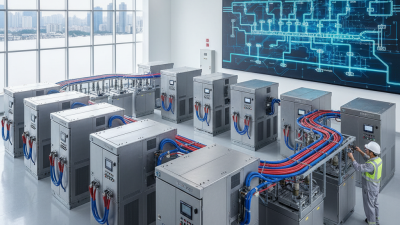
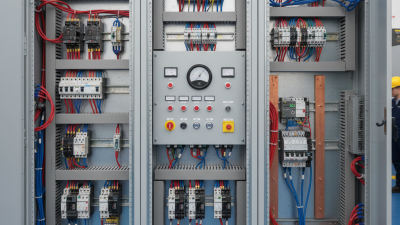
Another type is metal-enclosed switchgear. This design provides advanced safety features. It protects equipment and workers from electrical faults. Furthermore, modular switchgear offers flexibility and adaptability. Users can extend their systems as needed, accommodating future expansions.
It's crucial to choose the right switchgear. Each type has its advantages and limitations. Carefully evaluate the installation site and application requirements. This process helps in making informed decisions. Sometimes, stakeholders overlook maintenance aspects. Neglecting this can lead to severe consequences. Regular inspections ensure optimal performance and safety, vital for any operation.
Best Electrical Switchgear Solutions for Global Buyers
| Type |
Voltage Level |
Current Rating |
Insulation Type |
Applications |
| Air Insulated Switchgear (AIS) |
Up to 400 kV |
Up to 4000 A |
Air |
Substations, Power Plants |
| Gas Insulated Switchgear (GIS) |
Up to 1100 kV |
Up to 5000 A |
SF6 Gas |
Urban Areas, Space-Constrained Environments |
| Hybrid Switchgear |
Up to 145 kV |
Up to 3000 A |
Combination of Air and Gas |
Industrial Applications, Renewable Energy |
| Medium Voltage Switchgear |
1 kV to 38 kV |
Up to 2000 A |
Various Insulations |
Commercial Buildings, Factories |
| Low Voltage Switchgear |
Below 1 kV |
Up to 6000 A |
Usually Air |
Residential, Light Commercial Use |
Key Factors to Consider When Choosing Switchgear Solutions
Choosing the right switchgear solutions is crucial for efficiency and safety. One key factor to consider is the load requirements. Understanding the capacity your system needs can prevent overloads and failures. It's important to assess your current and future load demands carefully.
Another significant aspect is the environmental conditions where the switchgear will operate. For instance, extreme temperatures or high humidity can affect performance. Make sure the switchgear is rated for these conditions. It’s also wise to evaluate the maintenance requirements. Some solutions may promise low maintenance but might lack durability over time.
Lastly, compatibility with existing systems is often overlooked. New switchgear must integrate seamlessly with current electrical infrastructure. Regular reviews of your switchgear performance and needs can uncover gaps. This reflection enables better long-term planning and investment decisions.
Best Electrical Switchgear Solutions for Global Buyers
This bar chart illustrates the key factors that global buyers consider when selecting electrical switchgear solutions. Each factor is rated on a scale from 1 to 10, highlighting the importance of quality and safety features in the decision-making process.
Leading Manufacturers of Electrical Switchgear for Global Buyers
The global electrical switchgear market is expanding rapidly. According to recent industry reports, this market is projected to reach USD 150 billion by 2025, growing at a CAGR of 6.8%. This growth is powered by increasing demand for reliable power distribution and infrastructural developments. For buyers, selecting the right manufacturers is crucial. It ensures that their projects not only meet safety standards but also enhance efficiency.
Leading manufacturers focus on innovative solutions. They prioritize sustainability in their products. This trend is increasingly important as industries strive to reduce their carbon footprints. Many manufacturers now incorporate smart technologies into switchgear systems. This advancement allows for better monitoring and control of electrical systems. However, buyers should carefully consider the compatibility of these technologies with their existing infrastructures. An investment in innovative switchgear solutions can yield long-term benefits, but only if integrated properly.
Tips for buyers include conducting thorough research on potential suppliers. Engaging with manufacturers about their quality control processes is essential. Additionally, understanding the specific requirements of your project will help in making informed decisions. While many manufacturers claim high reliability, it’s wise to ask for performance data. Reliability should never be taken for granted, and the choice of switchgear can significantly impact system performance.
Trends and Innovations in Electrical Switchgear Technology
The electrical switchgear industry is evolving rapidly. Innovations in technology are reshaping how switchgear systems operate. Modern designs focus on safety, efficiency, and adaptability. These technologies include advanced monitoring systems. Real-time data analytics are becoming standard. They help operators make informed decisions quickly.
Sustainable practices are gaining traction. Many companies are exploring eco-friendly materials. Reducing carbon footprints is a priority. Innovations in insulation and cooling technologies enable more efficient energy use. Modular switchgear designs allow for customization and easy upgrades. This flexibility caters to diverse market needs.
However, challenges remain. The integration of new technologies can be complex. Many professionals struggle with the transition. Training personnel to manage advanced systems is crucial. Additionally, staying updated on regulatory standards is essential. Continuous learning ensures reliability and safety in switchgear solutions.





 Claire
 Mr.Fu
Mr.Fu

 Claire