Best Gis Substation Solutions for Global Buyers?
In the fast-evolving world of energy, the significance of GIS substations is undeniable. As global demand for efficient energy solutions rises, experts emphasize the value of innovation in this field. Dr. Emily Carter, a leading authority on GIS technology, asserts, "GIS substations are pivotal to modern energy management." Her insights highlight the necessity for global buyers to seek reliable and efficient solutions.
Investments in GIS substations can drastically enhance grid stability and operational efficiency. These systems can manage complex data and adapt to varying energy demands. However, many buyers still overlook critical factors when choosing the right solutions. The risks of selecting subpar technology can lead to higher operational costs and inefficiencies.
Navigating the market requires understanding both current technologies and future trends. Buyers need to scrutinize vendor credibility and case studies. Engaging with industry experts and attending relevant forums can provide valuable perspectives. Ultimately, prioritizing long-term reliability in GIS substations will steer global buyers towards sustainable success in energy management.

Overview of GIS Substation Solutions in the Global Market
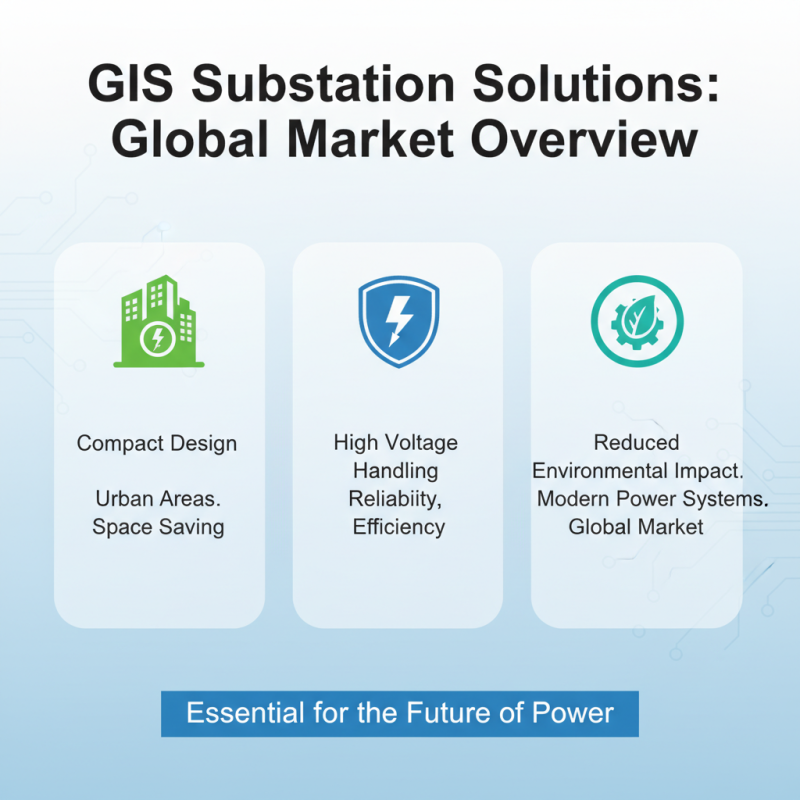
Gas-insulated switchgear (GIS) substations are becoming essential in modern power systems. Their compact design allows for effective space utilization, making them suitable for urban areas where real estate is expensive. These stations handle high voltage and reduce environmental impact. Today, the global market sees a rise in these solutions due to their reliability and efficiency.
When considering GIS solutions, it’s crucial to assess the technical specifications. Look for features such as insulation performance and temperature range. It helps to verify the installation process and maintenance requirements. A thorough understanding can lead to better decision-making.
Tips: Evaluate which GIS design is best suited for your project. Research local regulations and ensure compliance. An often-overlooked aspect is the long-term reliability of components. Scrutinizing case studies can reveal potential drawbacks or challenges. Engaging experienced professionals during the selection process can also provide valuable insights.
Key Features and Benefits of GIS Technology for Substations
Gas-Insulated Switchgear (GIS) technology has transformed substations around the globe. Its compact design minimizes land use, a vital factor in densely populated areas. According to the International Energy Agency, GIS installations are expected to grow by 7% annually through 2030. This reflects a clear trend towards modernization in power infrastructure.
One of the key benefits is enhanced reliability. GIS systems are less susceptible to environmental factors. They operate effectively in harsh conditions, reducing the risk of outages. This reliability is critical since a single outage can lead to significant economic losses. The average cost of power interruptions can reach up to $150 billion annually in the U.S. alone.
Moreover, GIS technology offers improved safety for maintenance personnel. With its sealed systems, GIS reduces the risk of electrical accidents. This safety advantage is complemented by lower maintenance requirements, which can reduce operational costs by up to 30%. However, initial investment remains a barrier for many utilities. This initial cost can deter some companies from adopting GIS, despite its long-term benefits.
Best GIS Substation Solutions for Global Buyers
| Feature |
Description |
Benefits |
| Compact Design |
GIS solutions require less space compared to traditional substations. |
Maximizes land utilization and reduces installation costs. |
| Increased Safety |
Due to the enclosed design, GIS reduces the risk of electrical accidents. |
Enhances operational safety for maintenance personnel. |
| Reduced Maintenance |
GIS systems generally require less maintenance than conventional substations. |
Lower operational costs and improved reliability. |
| Environmentally Friendly |
GIS uses insulating gas (SF6) which helps minimize environmental impact. |
Contributes to sustainable energy solutions. |
| Modular Design |
Allows for easy expansion and customization of substation systems. |
Facilitates upgrades and future-proofing against growing demand. |
Leading Global Manufacturers and Their GIS Substation Products
The global demand for Gas-Insulated Switchgear (GIS) substations continues to rise. Numerous manufacturers provide reliable and effective solutions to meet this need. These products are renowned for their compact design and low maintenance requirements, making them perfect for urban settings. Efficiency is critical. Well-designed GIS substations minimize technical losses, contributing to overall energy savings.
Leading manufacturers focus on innovation and sustainability. They offer advanced features like remote monitoring and automated controls. This enhances operational reliability and reduces downtime. However, not every solution fits all applications. Potential buyers must assess their specific needs carefully. Some products may lack scalability, limiting their long-term usage.
Furthermore, while many GIS products come with impressive specifications, practical integration can present challenges. Compatibility with existing systems is crucial. Selecting a product without evaluating the whole infrastructure may lead to unforeseen complications. Hence, thorough research and consultations are necessary. A precise understanding of both the technology and the application environment is essential for successful implementation.
Factors to Consider When Sourcing GIS Substation Solutions
When sourcing GIS substation solutions, buyers must assess several critical factors. Firstly, consider the technological specifications that align with your project needs. High voltage capacities, modular designs, and compact footprints can enhance efficiency. Evaluate the reliability of the equipment as well; downtime in the power sector can lead to significant economic losses.
Next, examine the vendor’s experience and expertise in the field. Companies with a proven track record in installing and maintaining GIS substations tend to provide superior support and service. Ask for case studies or references from previous clients. It is essential to verify their reliability through testimonials or performance records.
Finally, keep an eye on pricing and total cost of ownership. While lower initial costs are attractive, they may lead to hidden expenses for maintenance or replacements. Consider sustainability factors as well, as environmentally friendly solutions are increasingly important. Reflecting on these aspects can guide buyers to make informed decisions that align with their specific requirements.
Global GIS Substation Solutions: Key Factors in Sourcing
Future Trends in GIS Substation Technology for Buyers
The evolving landscape of GIS substation technology is shaping the future for global buyers. Innovations focus on enhancing efficiency, reducing costs, and improving safety. One notable trend is the integration of IoT-enabled devices. These connections allow real-time monitoring and diagnostics, enhancing operational reliability. Implementing smart solutions could lead to significant long-term savings.
Tips: Consider investing in training. Understanding the technology can aid in effective utilization. Exploring cloud-based management systems is also wise. They can streamline operations and enhance data accessibility.
Moreover, sustainability is becoming vital in GIS substations. Many buyers seek eco-friendly options. The shift towards renewable energy creates a demand for adaptive and flexible solutions. Future substations will likely prioritize minimizing environmental impact. This trend beckons a reevaluation of traditional practices. What works now may not be sustainable long-term.
Collaboration will be essential as technologies advance. Engaging with knowledgeable professionals in the field can provide insights. Be open to exploring new technologies and methodologies. Only by doing so can buyers stay competitive in this rapidly changing market.









 Claire
 Mr.Fu
Mr.Fu

 Claire