How to Choose Electric Switchyards for Efficient Power Distribution?
In the realm of power distribution, Electric Switchyards play a pivotal role. These infrastructures serve as critical points where electricity is transferred from transmission lines to distribution networks. According to the International Energy Agency (IEA), efficient power distribution systems can significantly lower energy losses by up to 30%. This highlights the importance of selecting appropriate Electric Switchyards.
When considering Electric Switchyards, it's vital to assess various factors. Voltage levels, switchgear technology, and site location are among the key elements influencing selection. Recent studies indicate that advanced switchgear can improve operational reliability by 60%. This underscores the need for careful planning and decision-making when investing in these systems.
However, challenges exist. The rapidly changing landscape of energy demand and renewable integration can complicate switchyard design. Professionals must stay vigilant. They must continuously reevaluate the suitability of their Electric Switchyards amidst evolving industry standards and technological advancements. Addressing these challenges will ensure a more robust power distribution network.
Understanding Electric Switchyards and Their Role in Power Distribution
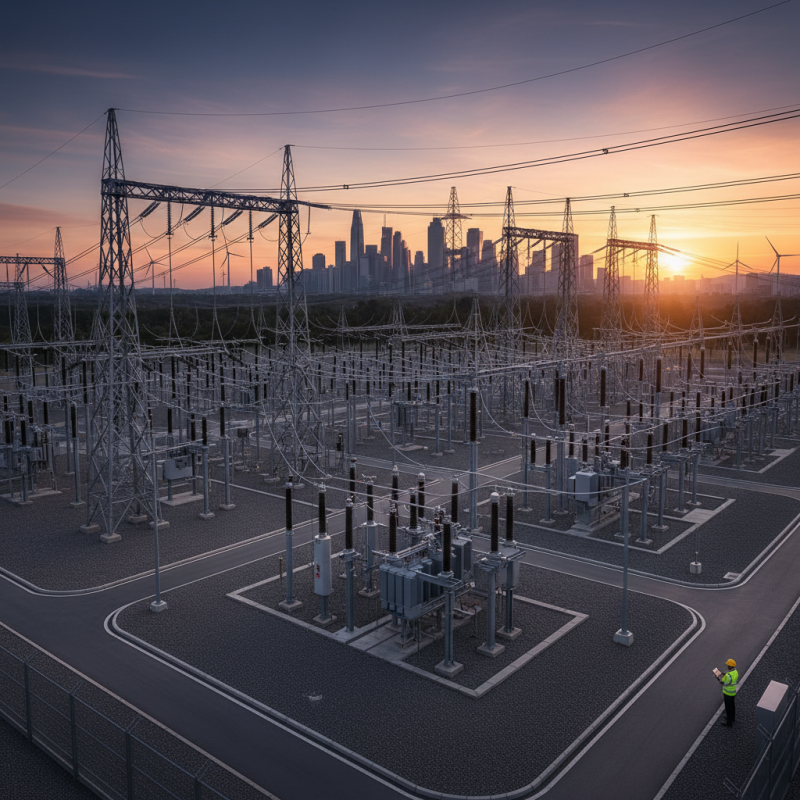
Electric switchyards play a vital role in power distribution systems, acting as crucial nodes for transmitting electricity efficiently. According to the International Energy Agency (IEA), more than 80% of global electricity transmission relies on such infrastructure. This makes the design and selection of switchyards integral to maintaining effective power flow.
Understanding the function of electric switchyards is essential for optimizing performance.
These facilities connect high-voltage lines, regulate power flow, and enhance system reliability. A report by the U.S. Department of Energy indicates that well-maintained switchyards can reduce energy losses by up to 4%. However, improper design could lead to operational inefficiencies. Decisions about switchyard layout and equipment need careful consideration.
The selection process involves various factors, including capacity and environmental impact. Research shows that integrating renewable energy sources can complicate switchyard operations. A study by the Electric Power Research Institute reveals that only 30% of utilities are prepared for this transition. This gap highlights the need for enhanced strategic planning. Electric switchyards must evolve, as challenges in grid management and changing energy landscapes persist.
Factors to Consider When Choosing an Electric Switchyard Design
When selecting an electric switchyard design, several key factors come into play. One primary consideration is the switchyard's capacity. According to the International Energy Agency, the global demand for electricity is projected to rise by 30% by 2040. This statistic urges us to prioritize switchyards that can adapt to increasing load requirements. A switchyard's design must accommodate future expansions while ensuring operational efficiency.
Another important factor is the location. Studies indicate that geographic positioning can affect operational costs by 20-40%. It is crucial to assess environmental factors, such as climate and natural disasters. For instance, regions prone to flooding require elevated designs to mitigate risks. Furthermore, the materials used for construction should comply with safety standards, ensuring reliability over time.
Selecting materials based on local availability can also yield cost savings.
Lastly, automation in switchyard operations offers increased efficiency. Research shows that automated systems can reduce maintenance costs by up to 25%. However, integrating new technology can present challenges. Ensuring that staff is trained appropriately is vital to avoid operational disruptions. Careful planning and assessment are necessary to navigate these complexities effectively.
Evaluating Capacity and Load Requirements for Switchyard Selection
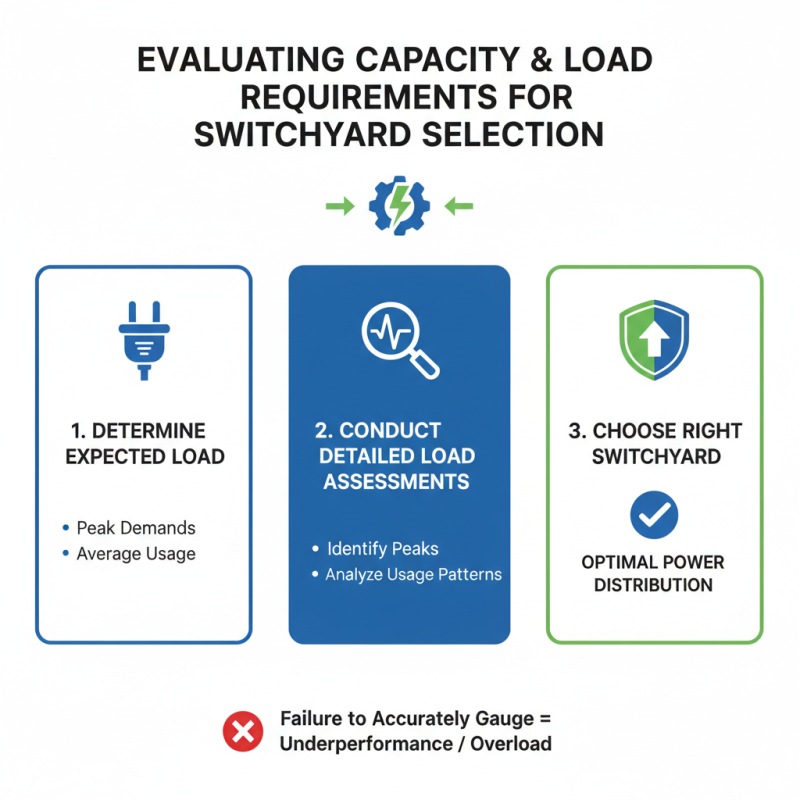
Choosing the right electric switchyard is crucial for effective power distribution. It begins with evaluating capacity and load requirements. Understanding the expected load is key. Engaging in detailed load assessments helps identify peak demands and average usage patterns. Failure to accurately gauge these requirements can lead to underperformance or overload.
When analyzing load requirements, it's essential to consider not just current demands but future growth. Estimations should include seasonal variations and unexpected surges. A switchyard that meets current needs might not suffice if demand doubles in a few years. Flexibility and scalability are vital. Some engineers might overlook these factors, resulting in costly upgrades later.
Deciding on a switchyard involves more than just numbers. Each facility has unique characteristics. Geographical factors, environmental concerns, and local regulations influence the choice. Oversights in these areas can have serious implications. It’s essential to revisit design assumptions regularly, ensuring they remain relevant as circumstances change. Balancing reliability and efficiency is a continuous journey that requires constant reflection and adjustment.
Assessing Safety Standards and Regulatory Compliance in Switchyards
When assessing safety standards for electric switchyards, compliance is crucial. Proper adherence to regulations ensures operational safety. Each switchyard must meet local and national codes. Understanding these requirements can seem overwhelming. Yet, they are vital for minimizing risks.
Evaluating safety does not stop at regulations. Regular inspections are necessary to identify potential hazards. Issues such as equipment wear and aging components can compromise safety. A thorough risk assessment helps pinpoint vulnerabilities. Developing a culture of safety awareness among staff can also enhance compliance.
Every switchyard design should facilitate safety procedures. Emergency protocols need clear visibility. Staff training must be frequent and comprehensive. Inadequate safety measures may lead to severe consequences. Reflecting on past incidents can offer valuable lessons for improvement. Prioritizing these elements ensures safer operations within switchyards.
Comparing Technology Options for Modern Electric Switchyards
When it comes to selecting electric switchyards, understanding the technology options is crucial for efficient power distribution. The industry is witnessing a shift towards digital solutions. According to a recent report by the International Energy Agency, the adoption of smart grid technologies can reduce energy losses by up to 25%. This transition enhances operational efficiency and reliability in power distribution.
Modern switchyard technology emphasizes modular designs and automation. These advancements allow for quicker installation and minimize manual errors. A study by the Electric Power Research Institute shows that automated systems can decrease operational costs by nearly 15%. However, implementing such technology requires a skilled workforce. Many organizations face challenges in training personnel to manage these sophisticated systems.
Additionally, environmental factors cannot be overlooked. Switching to more eco-friendly technologies has become a priority. According to the World Economic Forum, the push for sustainability has prompted many companies to adopt energy-efficient designs. While the benefits are clear, scaling these technologies can be expensive and complex, demanding careful consideration. Organizations must weigh the short-term costs against long-term benefits, acknowledging the potential for unforeseen challenges in implementation.
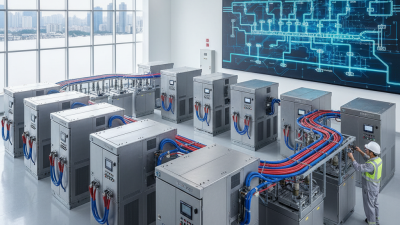
Comparison of Electric Switchyard Technologies for Efficient Power Distribution








 Claire
 Mr.Fu
Mr.Fu

 Claire