How to Choose the Right Gas Insulated Substations for Your Needs?
Gas Insulated Substations (GIS) are pivotal in modern electrical distribution. They are compact, efficient, and reliable. Their design significantly reduces space and enhances safety. According to the International Energy Agency, GIS can improve operational efficiency by up to 30%. This is vital as global energy demands rise.
Choosing the right GIS requires careful consideration of specific needs. Electrical engineers emphasize understanding your load requirements, environmental conditions, and projected growth. Industry reports indicate that GIS can lower lifecycle costs by 10-15%. Yet, each project has unique challenges. It’s essential to weigh factors like installation complexity and maintenance needs.
A common concern is the high initial investment. Many decision-makers overlook long-term benefits. GIS often lead to lower operational costs and decreased downtime. Reflecting on these aspects can guide effective choices. As technology evolves, continual assessment of GIS options becomes necessary. Balancing immediate needs with future expansions is critical for optimal performance.
Understanding Gas Insulated Substations: Key Features and Benefits
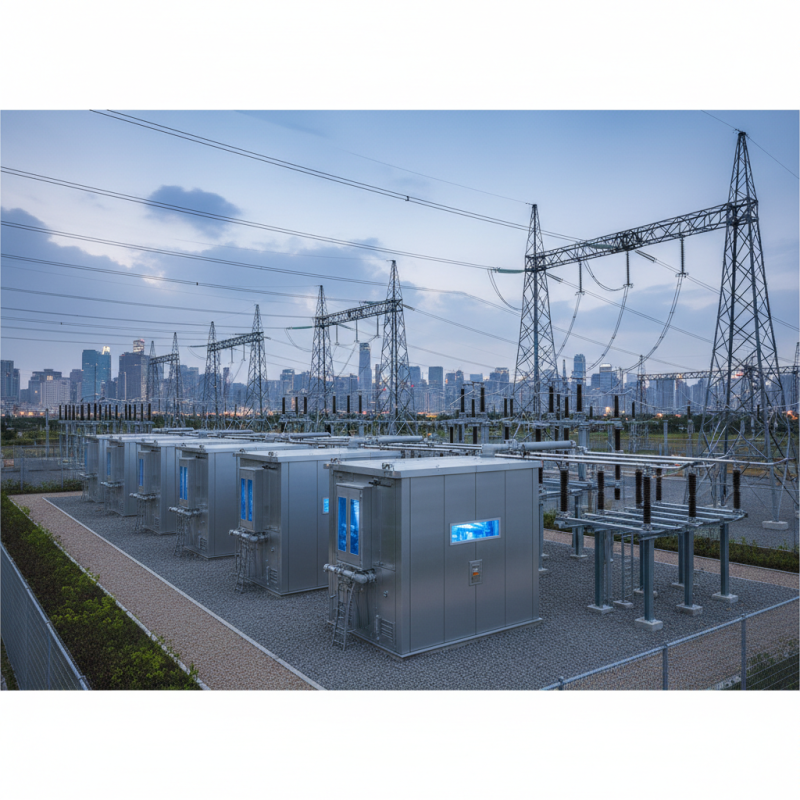
Gas Insulated Substations (GIS) are essential components in modern power distribution systems. They offer several key features and benefits. GIS is compact, allowing for reduced space requirements compared to traditional substations. This is especially important in urban areas where space is limited. Additionally, they enhance safety, given their sealed environment, which minimizes the risk of electrical faults.
A major advantage of GIS is their reliability. The use of insulating gas, typically sulfur hexafluoride (SF6), significantly reduces the likelihood of failure. They function well in harsh environments, maintaining performance through extreme weather conditions. Maintenance needs are also lower, resulting in cost savings over time.
Tips: When selecting a GIS, consider the location and installation needs. Inspect the landscape carefully. Understand the power requirements and potential growth. Assess the reliability of components and the reputation of suppliers. Remember, not all solutions fit every situation. Take the time to analyze specifics before purchasing.
Evaluating Your Power Supply Needs for Optimal Substation Selection
Choosing the right gas insulated substations (GIS) requires thorough evaluation of your power supply needs. Start by assessing your current electrical load. Understand the peak demand and the capacity required to sustain your operations. This foundational step helps you identify whether a compact GIS solution suits your needs or if a larger setup is necessary.
Consider future growth as well. Your current needs may evolve over time. Planning for potential expansion ensures you don't face capacity issues in a few years. Engage with experts in the field to gain insights into efficiency scales and sustainability options. This expertise is crucial for making informed decisions. Regularly review the latest technologies and trends, as they can offer innovative solutions.
Think about the geographical location of your installation. Some areas may require additional considerations. Accessibility for maintenance is essential. Evaluate the environmental impact as well. A well-planned GIS does not only meet today's needs but also aligns with future regulations and standards. Keep these factors in mind throughout your selection process.
How to Choose the Right Gas Insulated Substations for Your Needs?
| Criteria |
Description |
Considerations |
Importance Level |
| Capacity |
The maximum load the substation can handle. |
Evaluate future and current load demands. |
High |
| Location |
The geographical placement of the substation. |
Access to utilities and impact on residential areas. |
Medium |
| Reliability |
Dependability of the power supply provided. |
Review historical downtimes and maintenance schedules. |
High |
| Cost |
Total financial investment required for installation. |
Consider both short-term and long-term costs. |
High |
| Maintenance |
Required upkeep and servicing for optimal operation. |
Assess ease of maintenance and availability of parts. |
Medium |
| Technology |
Modern advancements in substation design and equipment. |
Look for energy efficiency and automation features. |
Medium |
Factors to Consider: Space, Environment, and Future Expansion
Choosing the right gas insulated substations (GIS) involves several crucial factors, especially space, environmental considerations, and the potential for future expansion. A GIS can save space compared to traditional substations. However, it's essential to assess your site. Compact installations are ideal for urban areas where land comes at a premium. Yet, tight spaces can complicate maintenance. Keep this in mind while planning.
Environmental impact is another significant factor. GIS units are designed to be eco-friendly. Their efficiency reduces energy loss and minimizes noise pollution. However, consider local conditions. If your site experiences heavy flooding or high temperatures, choose materials that can withstand these conditions. This ensures longevity and reliability, avoiding costly repairs later.
**Tips:** Always consult with experts to analyze your specific location and needs. Take into account local regulations that might affect your GIS installation. Think about future growth; expansions can be costly if not planned upfront. Failing to consider these factors might lead to operational inefficiencies or even project delays. It's crucial to reflect on these aspects to make well-informed decisions.
Factors Affecting the Selection of Gas Insulated Substations
Cost Analysis: Budgeting for Gas Insulated Substations
When budgeting for gas insulated substations (GIS), it's crucial to understand the financial implications. A GIS system can range significantly in cost. According to industry reports, the initial investment can vary from $300 to $800 per kVA. This variability is often due to factors like installation complexity and geographical considerations.
Operational costs also play a role in the total budget. GIS systems tend to require less maintenance than traditional substations. However, spare parts and specialized training can influence long-term expenses. Analysis indicates that operational costs can be reduced by up to 15% compared to air-insulated substations, making GIS a potentially more economical choice over time.
Choosing suitable gas insulated substations requires careful financial scrutiny. Often, organizations underestimate the total cost of ownership. A major consideration should also include potential unexpected costs, such as environmental compliance and safety measures. Awareness of these costs can lead to more informed decisions, assisting in building a more resilient power infrastructure.
Regulatory Compliance and Safety Standards for Substation Installation
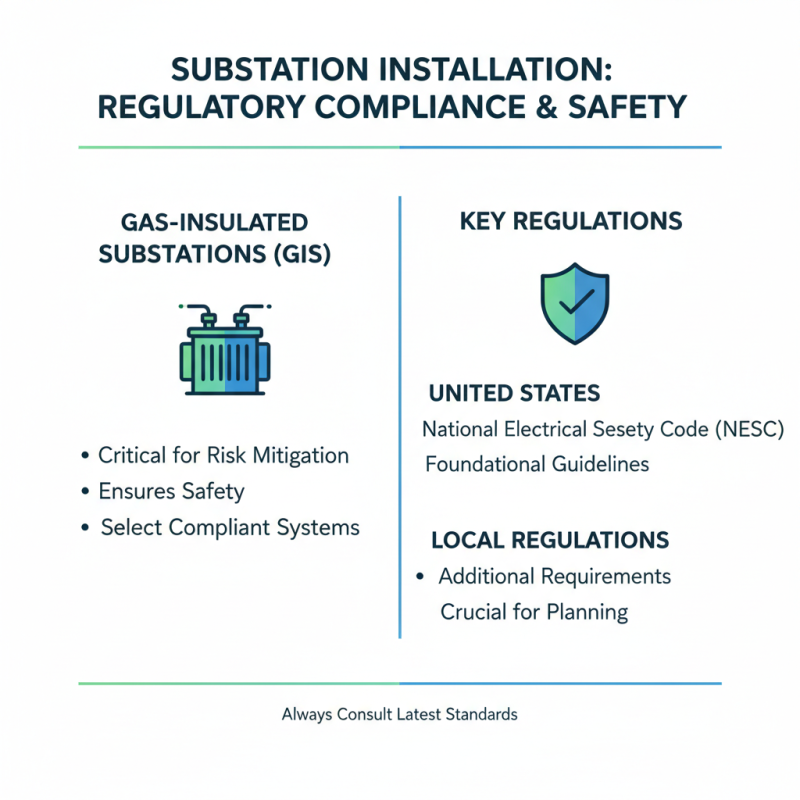
When selecting gas-insulated substations (GIS), compliance with regulatory standards is critical. Understanding the regulations can mitigate risks and ensure safety. In the United States, for instance, the National Electrical Safety Code (NESC) sets foundational guidelines for electric utility safety. Next, local regulations might impose additional requirements. Familiarizing yourself with these can help in proper planning.
Certain jurisdictions require substations to meet stringent safety standards. The IEEE 80 standard focuses on electrical safety in substations. This document provides guidelines on grounding and bonding practices. Following these guidelines may decrease accidental electrical hazards significantly. Recent reports indicate that up to 20% of incidents stem from improper grounding or insulation failures.
**Tips:** Conduct regular audits of your installation practices. Consult local authorities for specific compliance requirements. Ensure your team is trained in current safety protocols, as standards can change frequently. Regular training fosters a culture of safety awareness. The success of your GIS ultimately relies on adherence to these crucial safety standards.









 Claire
 Mr.Fu
Mr.Fu

 Claire