2026 How to Choose the Right Electrical Transfer Switch?
Choosing the right Electrical Transfer Switch is crucial for any property owner. This device ensures a safe and smooth transition between power sources. Without it, the risk of electrical hazards increases significantly. A quality transfer switch provides reliable performance during outages.
Many factors influence the selection of an Electrical Transfer Switch. Understanding your power needs is essential. You should assess factors like capacity and compatibility with your generator. It's also important to consider installation and maintenance requirements. A poorly chosen switch could lead to operational failures and costly repairs.
While you might feel confident in your choices, some common mistakes exist. Ignoring local codes and regulations can result in serious violations. Additionally, assuming one switch fits all can lead to underperformance. Taking the time to research and consult with experts can mitigate these risks. A well-informed decision will ensure your safety and peace of mind.
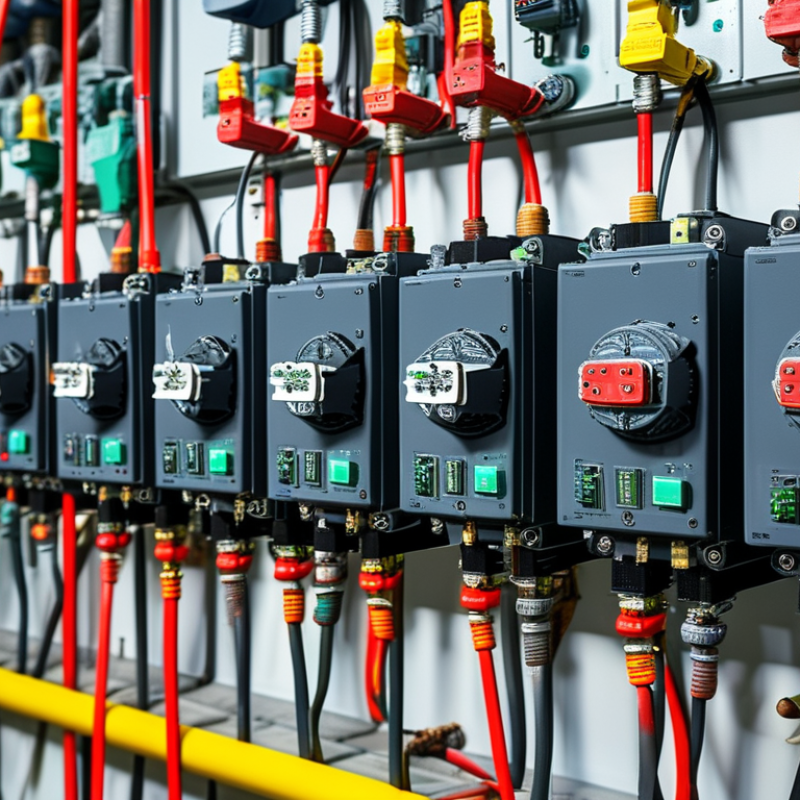
Understanding Electrical Transfer Switches and Their Functionality
Electrical transfer switches (ETS) play a crucial role in managing power distribution. These devices enable seamless transitions between different power sources, such as grid power and generators. Understanding their functionality is vital for home and business owners. According to industry reports, around 70% of power outages occur due to severe weather, making reliable power management essential.
Transfer switches function by controlling the flow of electricity. They protect electrical systems from potential overloads. Proper installation ensures safety during power outages. However, many users overlook regular maintenance. A survey noted that only 30% of ETS owners perform routine checks. This neglect can lead to failures when they are needed most.
Choosing the right transfer switch involves understanding your specific needs. Factors such as power capacity, installation location, and regulatory compliance are critical. Some users may find it challenging to assess their requirements accurately. The National Electric Code provides guidelines for safe installation, yet many still struggle to implement them correctly. Investing time in research and consultation can greatly enhance overall reliability.
2026 How to Choose the Right Electrical Transfer Switch?
This bar chart illustrates the popularity of different types of electrical transfer switches in 2026. The data suggests that automatic transfer switches are favored by the majority, while smart and hybrid options hold smaller shares in the market.
Types of Electrical Transfer Switches and Their Applications
When selecting an electrical transfer switch, understanding the types available is crucial. There are several categories: manual, automatic, and smart transfer switches.
Manual transfer switches require human operation, making them suitable for specific applications where oversight is possible. In contrast, automatic transfer switches detect power loss and switch to backup sources instantly. This type is vital for critical facilities like hospitals, where downtime is unacceptable.
Smart transfer switches integrate with home automation systems, allowing enhanced control through mobile apps. According to a report by ResearchAndMarkets, the market for transfer switches is projected to grow at a CAGR of 5.5% through 2026. This growth is driven by increasing dependence on electricity and the demand for reliable power sources. Each type serves specific needs, highlighting the importance of evaluating your power requirements before making a decision.
It's essential to consider installation costs and maintenance needs. For example, automatic switches typically require professional installation, raising upfront expenses. Regular checks and potential upgrades are also factors that can affect long-term reliability. While electric transfer switches have clear benefits, their effectiveness hinges on proper implementation and periodic assessment.
Key Factors to Consider When Choosing an Electrical Transfer Switch
Choosing the right electrical transfer switch can be challenging. Understanding the key factors is crucial. One important aspect is the power requirements. You need to know the total wattage of the devices you wish to run. This ensures the switch can handle the load safely and effectively. If the wattage exceeds the switch's capacity, it can lead to failures or even hazards.
Another factor to consider is the type of transfer switch. There are manual and automatic options available. Manual switches require you to operate them, while automatic switches do this for you during a power outage. Automatic switches offer convenience, but they may cost more. Determine which option suits your lifestyle and budget best.
Tips: Always consult a professional when selecting a transfer switch. They can assess your needs and recommend the right solution. Check the local codes and regulations to ensure compliance. This is essential as different areas have specific guidelines. Remember, investing in quality components can save you money and headaches later. Look for features like surge protection for added security.
Installation Requirements for Electrical Transfer Switches
When selecting an electrical transfer switch, understanding the installation requirements is essential. These switches are crucial for safely connecting backup power sources. They protect both your appliances and the electrical grid.
Be aware of your local codes and regulations. This ensures that you adhere to safety standards.
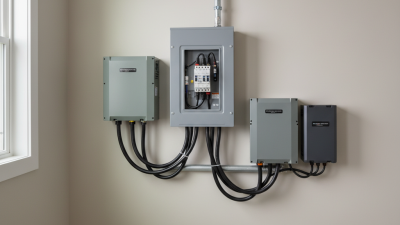
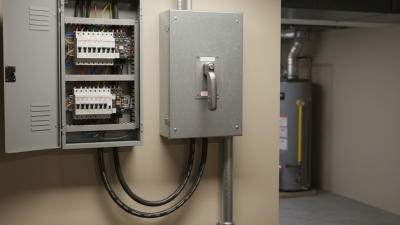
Ensure a proper location for your transfer switch. It should be easily accessible yet safe from environmental hazards. The installation area must be dry and afford adequate ventilation. Most switches need to be mounted on a sturdy wall or panel. Consider the proximity to your main electrical panel and the backup generator. Knowing the electrical load is important. It helps you choose the right capacity for your switch.
Engaging a qualified electrician is advisable. They can assess the installation site and verify compliance with safety regulations. Mistakes during installation could result in malfunction. It's vital to consider maintenance needs as well. Regular inspections can prevent issues down the line. An ill-maintained switch might fail when you need it the most.
Maintenance Tips for Optimal Performance of Transfer Switches
Regular maintenance of electrical transfer switches is crucial. A well-maintained switch ensures reliable operation during power outages. Neglecting maintenance can lead to failures and costly repairs.
Inspect the transfer switch periodically. Look for any signs of corrosion or wear. Clean the connections to prevent overheating. Record any irregularities. This documentation helps track potential issues over time.
Testing the switch is equally important. Run the switch through its paces at least twice a year. This does not guarantee perfect performance but helps identify problems early. Consider professional evaluations for a more thorough inspection. Balancing routine checks with expert guidance can maximize the switch's lifespan.






 Claire
 Mr.Fu
Mr.Fu

 Claire