How to Choose the Right Outdoor Substations for Your Needs?
Choosing the right Outdoor Substations is critical in today's power distribution landscape. A recent report by the International Energy Agency highlights that over 60% of electricity is now distributed through outdoor substations. Selecting the most suitable model can impact efficiency and reliability.
Industry expert Dr. Emily Carter states, "Properly designed outdoor substations can enhance grid stability and reduce maintenance costs." This emphasizes the importance of thoughtful selection. Factors like location, environmental conditions, and technological advancements play crucial roles in this process. Many have struggled with outdated models, leading to inefficiencies and higher operational costs.
When evaluating options, consider the trade-offs between capacity and cost. It's essential to partner with experts who have real-world experience in outdoor installations. As markets evolve, the right choice can pave the way for a sustainable energy future. Keeping abreast of trends and innovations will ensure that your decision aligns with future needs.
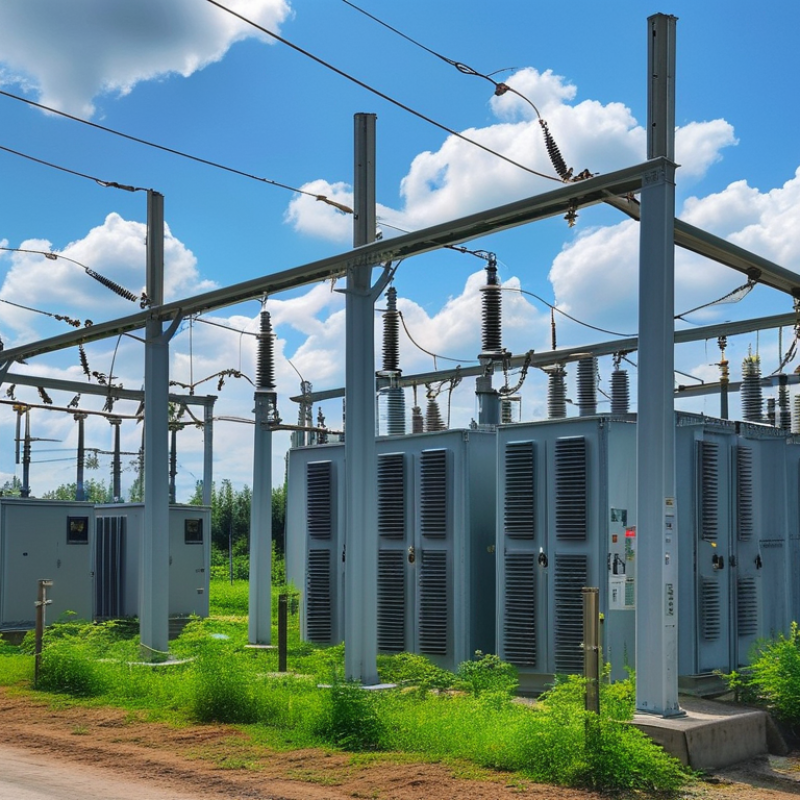
Identifying Your Power Distribution Requirements for Outdoor Substations
Selecting the right outdoor substations involves understanding your specific power distribution needs. Factors include load capacity, voltage levels, and environmental conditions. According to the IEEE (Institute of Electrical and Electronics Engineers), proper load estimation is crucial. For instance, overloading a substation can lead to failures. This not only disrupts power supply but can also result in costly repairs.
Environmental factors are equally important. Outdoor substations must endure various weather conditions. The National Renewable Energy Laboratory (NREL) suggests evaluating geographic risks like flooding or snow load. Many installations struggle in extreme climates, which affects longevity. Up to 30% of substations face operational challenges due to inadequate design for environmental stressors.
Understanding safety standards is vital too. The National Electric Safety Code (NESC) emphasizes protective measures against electrical hazards. These protocols ensure the reliability of substations. However, a significant number of installations do not meet all compliance measures. This raises concerns about safety and efficiency in power distribution networks, requiring revisitation and improvements in design and construction processes.
Evaluating Different Types of Outdoor Substations Available
When evaluating different types of outdoor substations, consider your specific requirements and the environment. Outdoor substations can vary significantly in design and functionality. For instance, some are designed for urban areas while others suit rural applications. Your choice depends on factors like space availability, weather conditions, and load demand.
A key aspect is the substation’s insulation type. Air-insulated substations are common and cost-effective but may require more space. In contrast, gas-insulated substations occupy less space and offer enhanced protection against environmental factors. However, they tend to be more expensive. Understanding the trade-offs between these options is essential.
Another consideration is maintenance needs. Some designs are easier to maintain than others. A robust substation should minimize downtime and maintenance costs. Reflect on long-term operational efficiency when selecting a substation. Don’t overlook local environmental regulations either. These can impact your overall choice of equipment and design. Balancing these factors can lead to a more informed decision.
Assessing Environmental Conditions and Their Impact on Substation Design
Assessing environmental conditions is crucial when selecting outdoor substations. These factors directly influence design and functionality. For instance, areas with high humidity require different insulation materials compared to dry regions. Similarly, locations prone to flooding must incorporate barriers and elevated foundations to protect equipment.
Wind speed is another vital consideration. High winds can pose risks to structural integrity. In exposed locations, substations may need reinforced structures to withstand potential damage. Additionally, the temperature range in a region affects cooling and heating systems. Extreme temperatures can lead to equipment failures if not properly accounted for.
Improper assessments can lead to inadequate designs. This oversight may cause operational inefficiencies or safety hazards. Therefore, engaging with local experts is essential for an accurate evaluation. Each site has unique challenges that generic solutions cannot address. Balancing these environmental factors ensures that the chosen substation meets operational needs effectively.
Understanding Regulatory Standards and Compliance for Outdoor Substations
When selecting outdoor substations, understanding regulatory standards is crucial. These standards ensure safety and reliability. According to a report by the International Electrotechnical Commission (IEC), compliance with IEC 61936-1 is vital. This standard addresses safety requirements for electric power installations.
Outdoor substations must also adhere to environmental regulations. Many regions mandate that substations minimize noise and visual impacts. The U.S. Environmental Protection Agency (EPA) emphasizes the importance of noise control, recommending levels below 50 dB during nighttime operations. Despite this, some facilities struggle to meet these requirements, prompting frequent reviews and modifications.
Another key aspect is the choice of materials and design. The National Electrical Manufacturers Association (NEMA) highlights that materials should resist weather conditions and corrosion. However, not all designers prioritize durability. This can lead to higher maintenance costs and reduced lifespan of the equipment. Overlooking these details can result in unforeseen operational challenges.
Comparing Costs and Long-Term Benefits of Various Substation Options
When considering outdoor substations, cost is a primary factor. Initial expenses often dominate decisions. However, overlooking long-term benefits can lead to costly outcomes. Cheaper options may inflate maintenance costs. Choosing wisely ensures sustainable energy solutions.
Some designs offer lower upfront costs. They may lack advanced technology, making them less efficient over time. In contrast, investing alittle more initially can enhance operational efficiency. This decision can save money in the long run. Technology improves, and future-proofing becomes essential.
Contractor expertise matters. Consulting professionals helps navigate complex options. They can provide insights into emerging trends. This valuable perspective aids in making informed decisions. Balance between current budget and future needs is crucial. Consider not just what you can afford now, but also how much you might save down the line.
How to Choose the Right Outdoor Substations for Your Needs? - Comparing Costs and Long-Term Benefits of Various Substation Options
| Substation Type |
Initial Cost ($) |
Maintenance Cost (Annual) ($) |
Lifespan (Years) |
Efficiency (%) |
Long-Term Benefits (5 Years) |
| Traditional Substation |
150,000 |
5,000 |
30 |
90 |
250,000 |
| Modular Substation |
180,000 |
3,000 |
25 |
95 |
200,000 |
| Containerized Substation |
200,000 |
4,500 |
20 |
92 |
220,000 |
| Hybrid Substation |
250,000 |
2,500 |
35 |
98 |
300,000 |






 Claire
 Mr.Fu
Mr.Fu

 Claire