What is Gis Substation Benefits and Key Features?
Gis Substation technology is revolutionizing the power industry. According to a report by MarketsandMarkets, the global GIS market is projected to reach $38 billion by 2025. This growth reflects the increasing demand for efficient power solutions. Gis Substations leverage advanced digital technology, enhancing reliability and reducing footprint.
One key benefit of Gis Substation is its compact design. This allows for installation in space-constrained areas, enabling efficient urban development. In addition, the reduced maintenance costs further drive adoption among utilities. Yet, this technology is not without challenges. The initial high capital investment can deter some organizations from implementing these systems.
Expert insights highlight Gis Substations' role in supporting renewable energy integration. They facilitate better management of distributed energy resources. However, the complexity of implementation requires skilled professionals. This demand for expertise may slow down widespread adoption. Overall, Gis Substations represent a significant advancement in the energy sector.
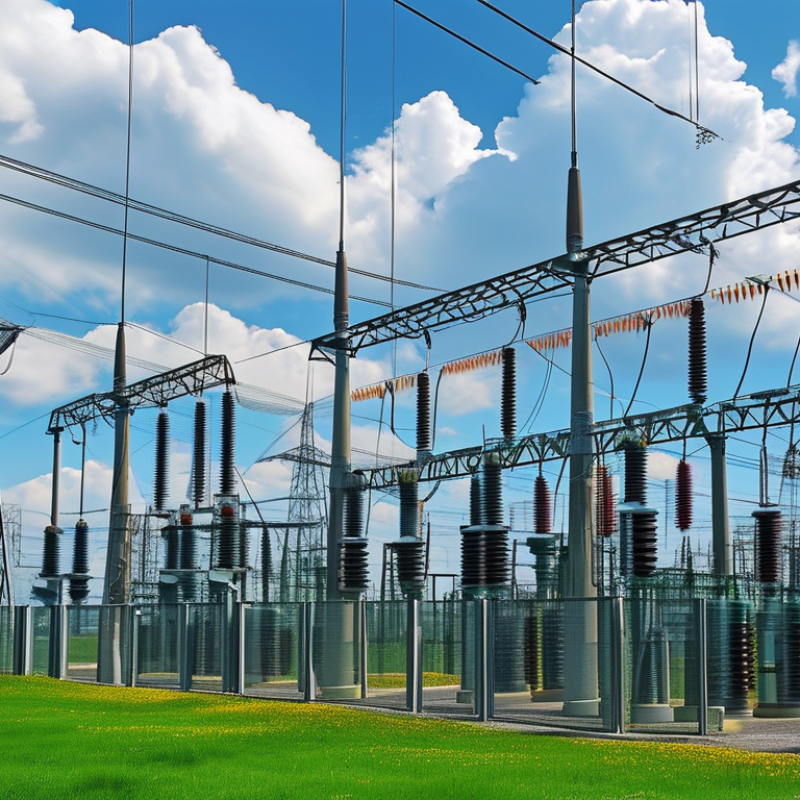
Definition of GIS Substation and Its Functionality
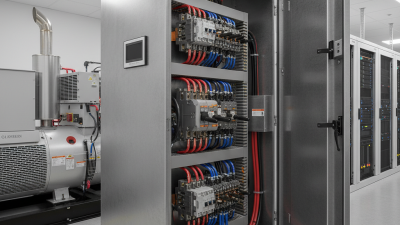
Gas-insulated switchgear (GIS) substations offer a compact and efficient solution for electrical substations. They utilize gas-insulated technology, which significantly reduces the spatial footprint compared to traditional air-insulated setups. This saves space in urban environments where land is at a premium. GIS substations also perform well in extreme weather, ensuring reliability and longevity.
The functionality of GIS substations revolves around their insulating medium—sulfur hexafluoride (SF6) gas. This gas effectively prevents electrical discharges, ensuring safe operation. The design minimizes maintenance needs and enhances operational efficiency. Due to their design, GIS substations can be installed underground or in tight spaces, providing flexibility in deployment.
However, the use of SF6 does raise environmental concerns. While it is effective for insulation, SF6 is a potent greenhouse gas. There is ongoing research to find alternatives that maintain efficiency without compromising environmental safety. The technology also requires skilled personnel for installation and maintenance, which can complicate operational management. Inadequate training can lead to mishaps. The balance between innovation and responsibility remains crucial in the evolution of GIS substations.
Key Advantages of GIS Substations Over Traditional Designs
GIS substations, or Gas Insulated Switchgear substations, present significant advantages over traditional designs. They require less physical space, making them suitable for urban environments. This space-saving feature is crucial where land is scarce and expensive. The compact nature allows for the installation of substations in locations that would otherwise be impractical.
Moreover, GIS substations offer enhanced safety and reliability. The gas insulation provides superior protection against environmental factors, reducing the risk of failure. Their ability to operate in extreme weather conditions is another benefit. With lower maintenance requirements, these substations can lead to reduced operational costs over time. However, installation costs can be higher, which is a consideration for some projects.
While the benefits are clear, challenges exist. The need for specialized personnel to maintain GIS substations can be a drawback. Training programs are essential to ensure staff are well-prepared. Furthermore, the technology is relatively new, leading to uncertainties in long-term performance. Despite these considerations, the advantages often outweigh the drawbacks for modern energy needs.
Essential Features of GIS Substations for Efficient Operations
GIS substations are revolutionizing the power industry with their innovative design and operational efficiency. One key feature is compactness. These substations require less land than traditional air-insulated substations, making them ideal for urban areas. A study by the IEEE indicates that GIS can save up to 50% of land use. Reduced space leads to lower installation and maintenance costs, improving overall project viability.
Another essential feature is the enhanced safety provided by GIS technology. Due to their design, GIS substations can operate in harsh environments without compromising safety. They are equipped with advanced monitoring systems that continuously assess operational parameters. This proactive approach to maintenance helps prevent failures, which enhances system reliability.
Tip: Regular training on GIS technology for personnel is crucial. Educated staff can quickly identify issues and take corrective measures, improving operational efficiency.
Environmental benefits are also notable. GIS substations produce less noise and emissions compared to their traditional counterparts. Their efficient design minimizes the impact on surrounding communities. However, it's vital to review the initial high capital costs. While the long-term savings are clear, the upfront investment can be challenging for some organizations.
What is Gis Substation Benefits and Key Features? - Essential Features of GIS Substations for Efficient Operations
| Feature |
Description |
Benefits |
| Compact Design |
GIS substations require less space compared to traditional substations. |
Enables installation in urban areas with limited space availability. |
| Enhanced Safety |
GIS technology reduces the risk of electrical hazards. |
Improves safety for personnel and equipment. |
| Low Maintenance |
GIS substations have fewer moving parts and are generally more reliable. |
Reduction in maintenance costs and downtime. |
| Environmental Impact |
GIS equipment is sealed in gas-insulated systems. |
Minimizes environmental footprint and pollution risk. |
| Scalability |
Easily expandable to meet increasing power demand. |
Facilitates grid modernization and future-proofing. |
| Improved Reliability |
GIS technology enhances operational reliability. |
Decreases frequency and duration of outages. |
Cost Considerations Associated with Implementing GIS Technology
Implementing Geographic Information System (GIS) technology in substations can incur significant costs. The primary expenditure comes from software and hardware requirements. Investing in advanced GIS systems requires budget allocation for training staff. Many organizations underestimate the long-term costs associated with infrastructure upgrades. Maintenance and updates also demand financial resources over time.
Additionally, the integration of GIS technology into existing systems poses financial challenges. It can disrupt ongoing projects and lead to unexpected expenses. Some companies may overlook the necessity of data migration, which can be costly and time-consuming. Employee training is critical yet often neglected, leading to inefficiency. Balancing these costs against the potential benefits of GIS technology is essential for effective financial planning.
Furthermore, energy companies face a knowledge gap regarding GIS systems. Many decision-makers lack a clear understanding of cost-effectiveness. This can lead to misguided investments in technology that doesn't meet their needs. Evaluating the return on investment requires careful analysis. Without thorough investigation, companies risk overspending or misallocating resources. Understanding these cost considerations is vital for successful GIS implementation.
Future Trends and Innovations in GIS Substation Design and Use
The future of GIS (Gas Insulated Switchgear) substations is poised for significant advancements. As energy demands grow, efficient design and innovative technologies will become crucial. Replacing traditional substations, GIS offers various benefits such as reduced land use and improved reliability. The integration of digitalization plays a key role in optimizing operations.
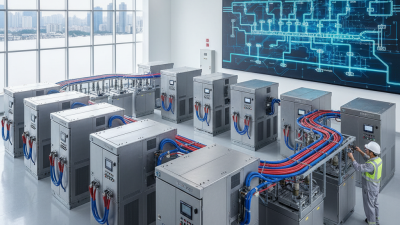
One notable trend is the rise of smart grid technologies. These systems enhance communication between substations and energy providers. This allows for real-time monitoring and faster response to outages. Such innovations improve the efficiency of energy distribution. However, data security remains a concern as functionalities increase.
Tips: When designing GIS substations, focus on modular solutions. They allow flexibility in expansion and upgrades. Consider the environmental impact during the planning phase. Sustainable materials can reduce the footprint of new installations.
Moreover, advancements in automation are transforming operations. Intelligent sensors and AI technology predict maintenance needs. While these systems improve reliability, they also require ongoing training for personnel. It’s vital to reassess workforce skills regularly to adapt to new challenges that arise.






 Claire
 Mr.Fu
Mr.Fu

 Claire