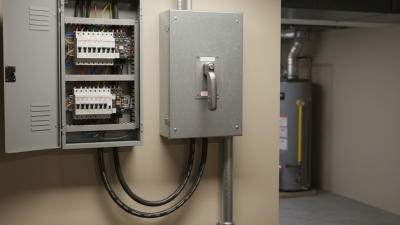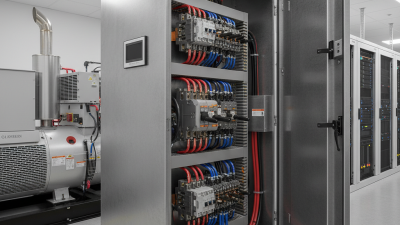
In today’s rapidly evolving energy landscape, the Power Transfer Switch plays a crucial role for businesses. This device ensures a seamless transition between power sources, vital for maintaining operations during outages. Many global buyers may not fully realize its wide-ranging benefits.
A reliable Power Transfer Switch enhances safety by minimizing risks associated with power interruptions. It also boosts efficiency, supporting businesses to function smoothly. For industries such as healthcare or data management, consistent power supply is paramount. The switch's ability to provide backup power is invaluable.
Moreover, investing in a Power Transfer Switch can lead to cost savings over time. While upfront costs may seem high, the long-term benefits often outweigh initial investments. Yet, buyers must contemplate their specific needs. Understanding the unique requirements is essential for making informed decisions.
Power transfer switches (PTS) play a crucial role in ensuring reliable power supply. For global buyers, one primary benefit is enhanced efficiency. According to a report by the International Energy Agency, businesses could reduce energy costs by up to 30% by utilizing PTS, allowing for seamless transitions between power sources. This efficiency can lead to significant savings over time.
Moreover, PTS contribute to improved reliability. A report from the Electric Power Research Institute highlights that unplanned outages can cost enterprises millions annually. With PTS, facilities can maintain power during outages, minimizing disruptions. This reliability is vital for sectors like healthcare, where continuous power is essential for operations and patient care.
Another advantage is the ease of integration. Modern PTS are designed for compatibility with existing electrical systems. This feature can streamline operations, reducing the need for significant infrastructure investments. Even so, improper installation or maintenance can lead to issues. Thus, buyers must ensure they work with knowledgeable professionals. The balance between good technology and expertise is critical to fully realizing the benefits of power transfer switches.
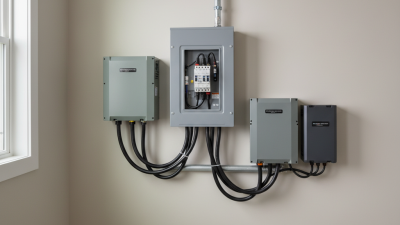
Power transfer switches (PTS) play a crucial role in ensuring the reliability of power supply for various industries. According to a report by the International Energy Agency (IEA), nearly 48% of businesses experience power outages, which can lead to significant operational losses. PTS enables seamless transfer between different power sources, thus minimizing downtime. With the increasing reliance on technology, the demand for dependable power supply is more pressing than ever.
Companies that invest in power transfer switches see increased operational efficiency. A study by the Electrical Power Research Institute (EPRI) indicates that firms using PTS can reduce outages by up to 80%. This leads to a more consistent workflow and better customer satisfaction. These switches also facilitate maintenance, allowing operators to conduct necessary repairs without disrupting service.
Tip: Regularly inspect and maintain your transfer switch. Aging equipment can fail unexpectedly, leading to unreliable service.
Additionally, the enhanced reliability of power transfer switches can safeguard sensitive equipment. Data from the National Institute of Standards and Technology (NIST) emphasizes that power fluctuations can damage high-value machinery. By ensuring a stable power supply, PTS helps to extend equipment life while reducing replacement costs.
Tip: Consider implementing predictive maintenance strategies for transfer switches to prevent unforeseen failures.
Investing in power transfer switches is not just a safety measure; it's a strategic decision that promotes sustainability and cost efficiency.
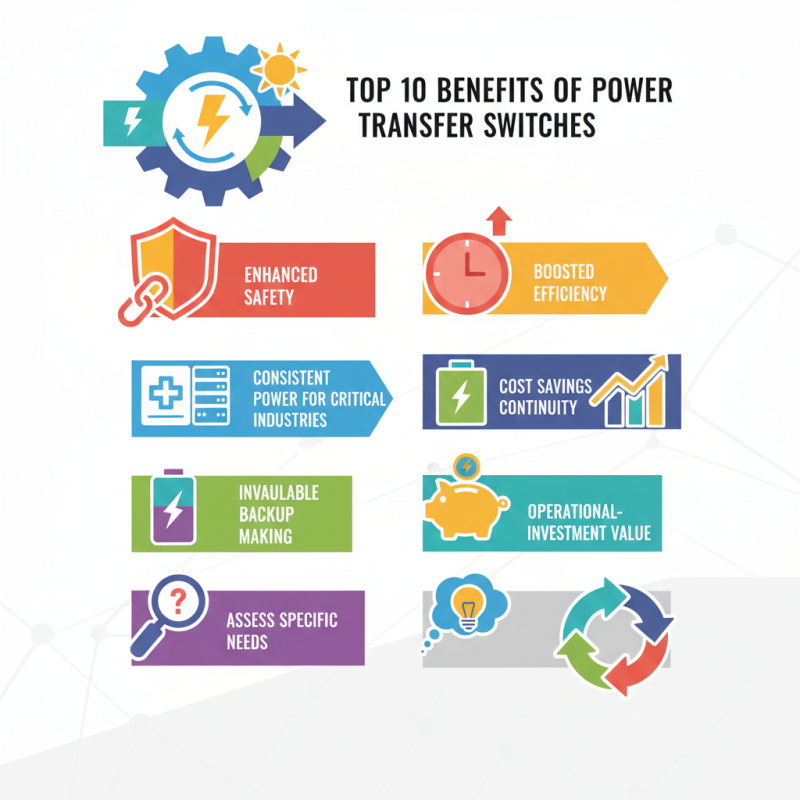
This bar chart illustrates the top 10 benefits of power transfer switches for global buyers, highlighting the importance of enhanced reliability in power supply systems.
Power transfer switches (PTS) provide a crucial advantage for businesses managing energy costs. These devices enable seamless switching between utility power and backup generators, ensuring uninterrupted power supply. The initial investment in PTS may seem high, yet the long-term benefits justify this expense. Reliable power prevents costly downtime and losses associated with outages, making PTS a wise financial choice.
Implementing power transfer switches can lower operational expenses. With stable electricity supply, businesses can optimize productivity and reduce energy waste. Many organizations find that the cost of outages far exceeds the expense of installing PTS. Additionally, these switches contribute to energy efficiency. By allowing for better management of power sources, companies can adopt more cost-effective energy solutions over time.
However, not all installations are perfect. Some may experience challenges, such as installation costs exceeding budgets or maintenance issues. It's important to assess the specific needs of a facility before implementation. Each organization must evaluate the trade-offs involved to maximize the benefits of power transfer switches. In doing so, they can achieve a reliable energy strategy while enhancing cost-effectiveness.
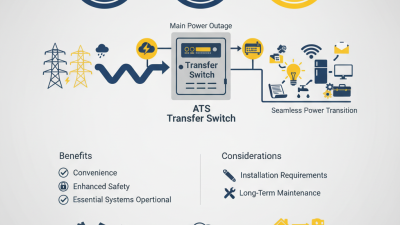
| Benefit | Description | Cost-Effectiveness |
|---|---|---|
| Improved Reliability | Ensures continuous power supply during outages. | Reduces losses caused by downtime. |
| Cost Savings | Minimizes the cost of power outages and system failures. | Provides a strong return on investment. |
| Operational Efficiency | Enhances efficiency of power management systems. | Leads to lower operational costs. |
| Flexibility | Accommodates a variety of power sources. | Saves costs by allowing the use of alternative energy. |
| Enhanced Safety | Reduces risks of electrical shock and damage. | Decreases potential liability and associated costs. |
| Easy Maintenance | Simplifies troubleshooting and servicing. | Reduces labor costs for upkeep. |
| Improved Compliance | Helps meet local and international regulations. | Avoids fines and legal expenses. |
| Long-Term Investment | Offers durability and longevity. | Minimizes replacement costs over time. |
| Sustainability | Supports the use of renewable energy sources. | Contributes to environmental cost savings. |
| Scalability | Easily integrates with existing infrastructures. | Facilitates cost-effective expansions. |
Power transfer switches (PTS) play a crucial role in enhancing safety measures for businesses and facilities. These devices automatically switch to a backup power source during outages. This reduces the risk of data loss and operational downtime. According to industry reports, companies can experience a 30% decrease in operational interruptions when utilizing PTS technology. This improvement is vital in sectors like healthcare and data centers, where continuous power is essential.
Another significant aspect is the protection against electrical hazards. Power transfer switches are designed with safety features that prevent back-feed into the grid. This feature minimizes the risk of electrocution for utility workers. Additionally, the insulated compartments ensure that maintenance personnel are safe while performing their duties. A recent study highlighted that nearly 70% of electrical accidents occur during maintenance work. Implementing PTS can significantly mitigate this risk.
Despite these advantages, challenges remain. Some installations may face complications, especially in older facilities. Retrofitting these systems can lead to unforeseen expenses. Organizations need to consider these factors carefully. Regular maintenance and inspections of power transfer switches are essential to ensure maximum effectiveness and reliability.
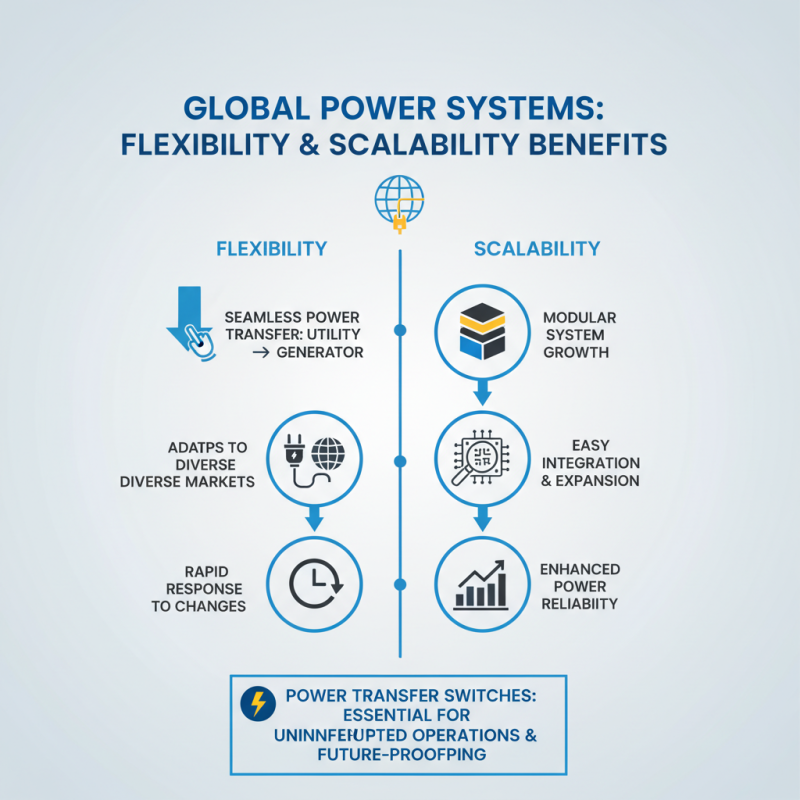
Power transfer switches (PTS) are vital for modern power systems. Their flexibility is crucial, especially for diverse global markets. These switches seamlessly manage power sources. They can switch between utility and generator power with minimal disruption. This adaptability ensures that operations remain uninterrupted during outages. A power transfer switch can respond swiftly to changes, making it an essential tool for power reliability.
Scalability is another significant benefit. As businesses grow, their energy needs evolve. PTS can accommodate expansion easily. They can integrate additional power sources, such as renewable energy options. This feature allows companies to adapt to new energy technologies. It also supports sustainability goals, enhancing their efficiency. However, challenges can arise when scaling systems. Proper planning is essential to avoid complications.
Furthermore, the importance of user training cannot be overlooked. Operators must understand the system intricacies. Misunderstandings can lead to errors during critical transitions. Regular training sessions can mitigate these risks. Flexibility and scalability in power systems provide immense advantages. Yet, there remains a need for ongoing evaluation and improvement.