Top 10 Benefits of Ats Electrical Panel for Global Buyers?
In the rapidly evolving world of electrical systems, the ATS Electrical Panel stands out as a crucial component for global buyers. This innovative technology ensures seamless power management and reliability, making it an essential choice for various industries. The ATS Electrical Panel is designed to control power distribution efficiently, keeping downtime to a minimum.
Global buyers benefit significantly from its advanced features. Improved energy efficiency is one of the key advantages. This panel contributes to reduced operational costs, enhancing overall performance. Not every ATS Electrical Panel is the same, though. Some may lack certain functionalities, impacting reliability. Choosing the right panel requires careful consideration, especially concerning specific needs.
The demand for reliable electrical solutions grows. Yet, buyers must reflect on their choices. ATS Electrical Panels can provide security against power outages, but not all options offer this protection equally. With many brands available, understanding which panel meets industry standards is essential. Making an informed decision can lead to long-term benefits and improved safety in electrical infrastructure.
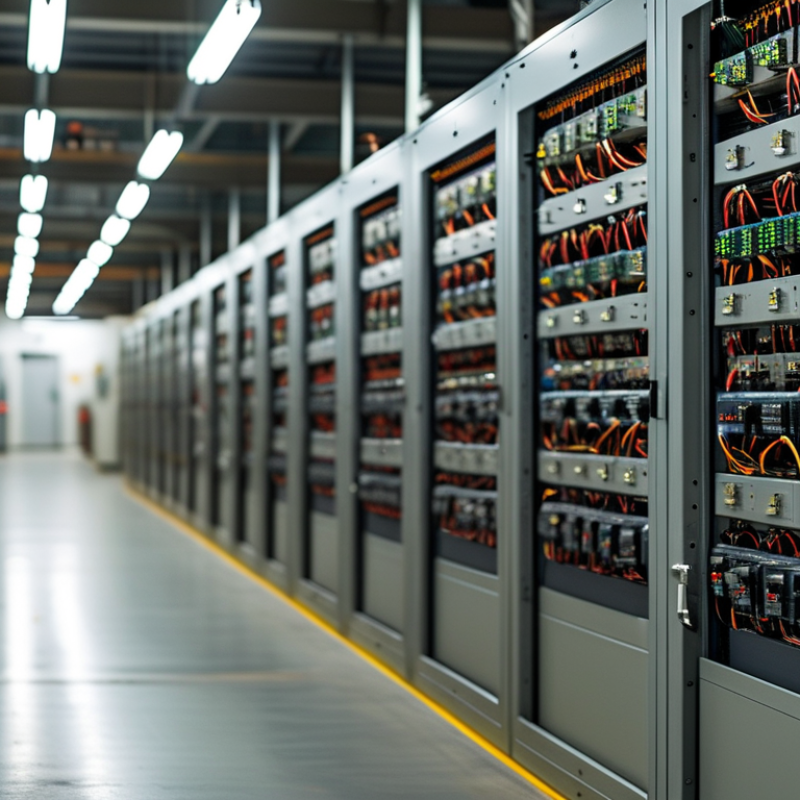
Understanding ATS Electrical Panels: An Overview of Their Functionality
ATS (Automatic Transfer Switch) electrical panels are integral in modern power management systems. They ensure seamless transitions between different power sources, minimizing downtime during outages. According to a report by the International Energy Agency, nearly 20% of global electricity generation comes from renewable sources. ATS panels facilitate the reliable integration of these sources, leading to optimized energy usage.
These panels monitor power supply quality and automatically switch to backup systems when anomalies arise. This functionality helps prevent equipment damage and reduces operational interruptions. Research from the Electrical Safety Foundation International highlights that improper power management can result in significant financial losses, often exceeding $1 million annually for large facilities. ATS panels mitigate these risks by maintaining a consistent power supply.
Furthermore, ATS systems can be complex and require regular maintenance. Many users report challenges with installation and configuration, emphasizing the need for professional expertise. Continuous training and assessment of personnel are crucial to maximize the efficiency of these systems. This highlights a common gap in implementation and the potential for costly operational errors.
Enhanced Safety Features of ATS Electrical Panels for Global Users
ATS electrical panels offer robust safety features crucial for modern users. These panels help prevent electrical faults and reduce risks associated with power surges. Enhanced circuit protection isolates problems quickly. This feature ensures that the entire system does not fail due to a single issue. Users are less likely to face hazards like fires or equipment damage.
Another important aspect is the advanced monitoring systems. These systems provide real-time data on electrical usage, enhancing awareness of potential issues. This proactive approach allows users to respond promptly, preventing accidents before they occur. Users have noted improvements in operational efficiency, highlighting better safety protocols.
However, maintaining such systems can be complex. Users sometimes overlook regular checks, potentially compromising safety. It's vital to foster a culture of accountability around maintenance. While ATS panels provide numerous benefits, their effectiveness hinges on diligent upkeep. Reflecting on these challenges ensures users can harness the full potential of ATS electrical panels effectively.
Improved Energy Efficiency Through ATS Electrical Panel Technology
Improved energy efficiency is a primary advantage of ATS electrical panel technology. These panels intelligently manage power distribution, optimizing energy use across systems. By automatically selecting the best power source, they reduce waste and lower costs. This not only benefits businesses financially but also supports sustainability goals.
Awareness of your energy consumption patterns is crucial. Understanding peak usage times can guide better decisions in energy management. Regularly review energy data provided by ATS panels. This practice can reveal areas for improvement. Adjusting usage during off-peak hours may lead to significant savings.
Consider the environmental impact of energy usage. Implementing ATS technology helps in reducing carbon footprints. However, effectiveness may vary based on your infrastructure. Regular maintenance and updates can enhance performance. This attention to detail contributes to long-lasting benefits. A well-maintained system is more reliable and efficient, ensuring consistent energy supply and performance.
Cost-Effective Solutions: The Economic Benefits of Using ATS Panels
Cost-effective solutions are crucial for global buyers.
ATS electrical panels provide numerous economic benefits that can significantly reduce operational costs. These panels help manage energy distribution efficiently. Companies that implement ATS panels often see a decrease in energy waste. This efficiency translates into lower utility bills over time.
Investing in ATS panels can also diminish maintenance expenses. These systems are designed for reliability and longevity. Problems can be detected early, helping to avoid costly repairs. Companies that overlook this can face unexpected breakdowns, incurring higher costs. Moreover, ATS panels support smooth power transitions, preventing downtime. This reliability ensures continuous operations and maintains productivity.
However, organizations must assess their specific needs before investing. Not every setup requires an ATS panel, making it essential to evaluate the cost-benefit ratio. Some users may also find the initial investment daunting. But considering the long-term savings and enhanced efficiency, ATS panels may prove to be a wise choice. Balancing immediate costs against future savings is a pivotal aspect that buyers should carefully reflect upon.
Global Compliance and Standardization Benefits of ATS Electrical Panels
The global compliance and standardization benefits of ATS electrical panels are significant for buyers. These panels are designed to meet international safety and efficiency standards. They simplify electrical management across diverse regions, minimizing compliance risks. When deployed, ATS panels ensure that electrical systems work seamlessly with local regulations. This uniformity decreases operational disruptions caused by non-compliance.
Moreover, ATS electrical panels enhance reliability in power distribution. They offer automatic switching capabilities during power outages, ensuring a continuous power supply. In various industrial settings, this feature proves vital. For global buyers, the assurance of safety and reliability can positively impact their operational efficiency. However, not all panels are created equal. Buyers must evaluate local standards diligently to ensure conformance.
While ATS panels provide many advantages, potential issues may arise. Variations in regional regulations can create confusion. Buyers might face challenges in training personnel on these systems. It’s essential to consider local expertise and support to navigate these complexities effectively. Engaging with knowledgeable professionals lends confidence in implementation and long-term success.





 Claire
 Mr.Fu
Mr.Fu

 Claire