What is Ring Main Unit Switchgear and Its Benefits for Buyers
In the evolving landscape of electrical distribution, Ring Main Unit Switchgear (RMU) stands out as a vital component. According to the latest industry report by the Global Electrical Equipment Association, the RMU market is projected to grow by 5% annually. This growth reflects the increasing demand for efficient and reliable power solutions.
Expert in power distribution, Dr. Emily Carter, notes, "The Ring Main Unit Switchgear is essential for safeguarding electrical networks." Her insights highlight the importance of RMUs in enhancing system reliability and reducing outages. The modular design allows for easy maintenance, which can minimize downtime for businesses.
However, while RMUs offer numerous benefits, buyers must conduct thorough research. Not all RMUs are created equal. Variances in specifications and manufacturers can lead to challenges. Understanding these elements is crucial for making informed decisions. Reliable information ensures that investments yield significant long-term benefits in operational efficiency and safety.
Definition and Functionality of Ring Main Unit Switchgear
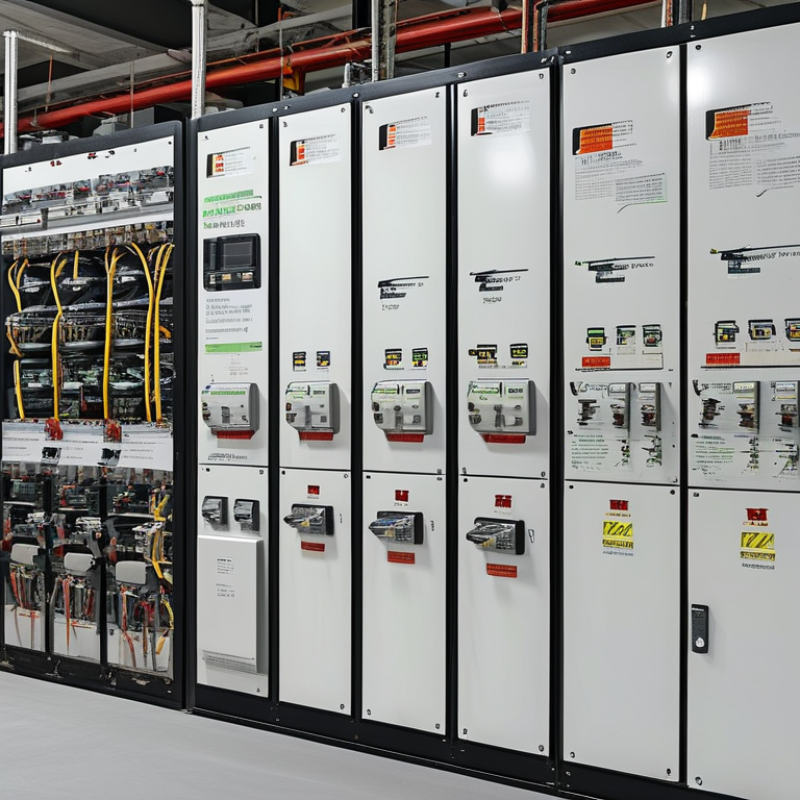
Ring Main Unit (RMU) switchgear is essential for medium voltage distribution. It combines several components in a single unit, improving both efficiency and safety. RMUs are widely used in urban areas and in industrial applications, where space is a constraint. A study published by the International Electrotechnical Commission highlights that over 25% of electricity distribution networks utilize RMU technology due to its compact design.
The functionality of RMUs is quite diverse. They provide protection, isolation, and switching capabilities. Each unit typically consists of circuit breakers, transformers, and switches that help manage power distribution effectively. According to a report by Global Market Insights, the demand for RMUs will continue to grow, indicating a shift towards automated and smart grid solutions. This emphasizes the importance of integrating advanced technology within RMUs to enhance operational reliability.
While the benefits of RMUs are clear, potential drawbacks warrant attention. Maintenance may require specialized knowledge, and failures can disrupt power supply. Users should consider these factors before investing. The initial purchase cost can be high, though long-term savings may offset it. The challenge lies in balancing reliability with operational costs, making a well-informed choice vital for buyers.
Components of Ring Main Unit Switchgear: An Overview
Ring Main Unit (RMU) switchgear plays a vital role in electrical distribution systems. It is designed for medium voltage applications, typically between 1 kV to 36 kV. This compact solution includes essential components that enhance performance and safety. Key parts of an RMU include circuit breakers, transformers, and protection relays. Each component ensures that the electrical flow is controlled efficiently.
The circuit breaker is crucial for interrupting power during faults. It automatically disconnects faulty sections, minimizing damage. Transforming voltage levels, transformers help maintain system integrity. Protection relays monitor the system, detecting issues before they escalate. These components work together, forming a robust unit for reliable electricity supply.
RMU switchgear is valued for its modular design. It saves space, allowing installation in limited areas. However, maintenance can be challenging due to its compact nature. Regular inspections are necessary to ensure functionality. Understanding each component's role is essential for users seeking dependable solutions. This knowledge aids in making informed purchasing decisions.
Applications of Ring Main Unit Switchgear in Electrical Systems
Ring Main Unit Switchgear (RMU) plays a crucial role in modern electrical systems. It is utilized in various applications such as urban infrastructure, renewable energy integration, and industrial power distribution. The flexibility of RMUs allows them to connect multiple power sources, enhancing system reliability. According to recent industry reports, the demand for RMUs is expected to grow by over 6% annually. This growth is fueled by increasing investments in smart grid technology.
One notable application of RMUs is in urban power networks. As cities expand, the need for reliable electrical distribution becomes vital. RMUs help in reducing maintenance needs and improving efficiency. Additionally, they are pivotal in integrating renewable energy sources like solar and wind. By connecting these sources to the grid, RMUs facilitate a shift towards sustainable energy. However, there are challenges, such as ensuring that these systems can handle fluctuating energy inputs.
In industrial settings, RMUs are used for controlling and protecting electrical systems. They provide better fault management and isolation capabilities. This is crucial for minimizing downtime and preventing equipment damage. Nevertheless, mismanagement during installation and maintenance can negate these benefits. Buyers must carefully consider their operational needs and work with knowledgeable professionals when selecting RMUs. Without proper guidance, the potential advantages can be significantly underutilized.
Key Advantages of Using Ring Main Unit Switchgear for Buyers
Ring Main Unit (RMU) switchgear offers numerous advantages for buyers. It is designed for medium voltage applications and acts as a key component in electrical distribution systems. Buyers can benefit from its compact design, which saves valuable space in installations. The modular construction allows for easy scalability. This adaptability makes RMUs ideal for both urban and rural areas.
One of the main advantages is reliability. RMUs are known for their robust performance and durability. They minimize the risk of outages through their ring configuration. This design ensures that power can be rerouted if a fault occurs. Additionally, they require less maintenance compared to traditional switchgear. This decreases operational costs over time.
Safety is another crucial benefit. RMUs incorporate features like insulated components, reducing the risk of electrical hazards. They also provide enhanced protection against short circuits. Some buyers may overlook these aspects, yet they play a vital role in ensuring a secure environment. Investing in RMUs can lead to long-term savings and improved safety for the electrical network.
Benefits of Ring Main Unit Switchgear
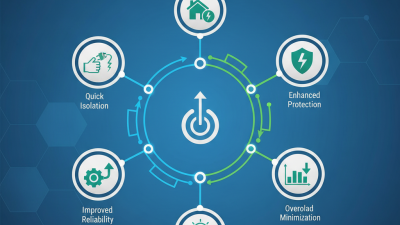
The bar chart above illustrates the key advantages of Ring Main Unit Switchgear based on their rating on a scale from 1 to 10. The primary benefits include reduced downtime, enhanced safety, cost efficiency, compact design, and easy maintenance, showcasing why these units are increasingly favorable in electrical distribution systems.
Factors to Consider When Purchasing Ring Main Unit Switchgear
When considering the purchase of Ring Main Unit (RMU) switchgear, there are several key factors to keep in mind. Understanding the specifications is crucial. Each unit has different ratings for voltage, current, and short-circuit capacity. Buyers should match these ratings with their specific application needs. Inadequate ratings can lead to inefficiency or even safety hazards.
Another vital aspect is the design and layout of the switchgear. The physical dimensions and connection types should align with existing infrastructure. A poor fit may complicate installation and increase costs. Additionally, look into the ease of maintenance. RMUs designed for simple access and service can save time and money over their lifespan.
Cost is, of course, an important factor. However, quality cannot be sacrificed for a lower price. A cheaper RMU might lead to higher operational costs due to frequent repairs or inefficiencies. Also, consider the manufacturer’s reputation. Companies with proven track records often provide better support and reliability. Reflecting on these factors can lead to more informed and effective purchasing decisions.
What is Ring Main Unit Switchgear and Its Benefits for Buyers
| Feature |
Description |
Benefit |
| Compact Design |
Space-saving configuration suitable for limited areas |
Maximizes available space and reduces installation costs |
| Safety Features |
Built-in protection mechanisms to prevent electrical faults |
Enhances operational safety and minimizes system risks |
| Modular Construction |
Flexible configurations for different applications |
Allows easy upgrades and maintenance |
| Environmental Resistance |
Manufactured with materials that resist environmental factors |
Ensures long-term reliability and minimal maintenance |
| Cost Efficiency |
Lower operational and maintenance costs |
Reduces total cost of ownership |








 Claire
 Mr.Fu
Mr.Fu

 Claire