What is a Transfer Switch and How Does It Work?
A Transfer Switch is a critical component in power management systems. It ensures that electricity flows efficiently between a backup generator and the main power supply. According to industry expert John Smith, “A Transfer Switch protects your home and ensures seamless power during outages.” Understanding its operation and benefits can save time and prevent potential hazards.
The Transfer Switch acts as a gatekeeper. It prevents back-feeding, which can endanger utility workers. When your main power fails, the switch allows a smooth transition to backup sources. This feature is essential for businesses and homes alike. Some users may overlook regular testing and maintenance of their Transfer Switch. Neglecting this could lead to failures when the system is needed most.
In a world where power reliability is paramount, knowing about Transfer Switches is invaluable. Investing in quality and functionality can make all the difference. It is essential to take responsibility for understanding how it works. This knowledge not only enhances safety but also empowers users to make informed choices.
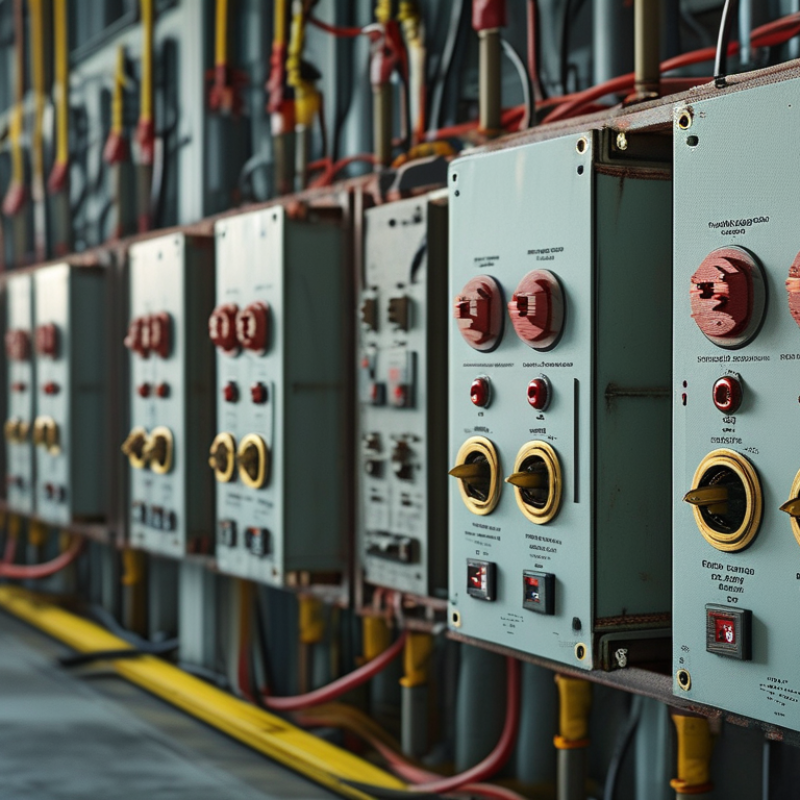
What is a Transfer Switch?
A transfer switch is a crucial device that connects a generator to a building’s electrical system. It allows for a safe transition between utility power and backup power. During outages, this switch isolates the electrical grid from the generator. This prevents dangerous feedback, protecting utility workers and your equipment.
Understanding how a transfer switch works involves recognizing its two main positions: “line” and “generator.” In the line position, power flows from the utility. When a power outage occurs, the switch is moved to the generator position. This process requires a reliable generator. Many users overlook the need for regular testing and maintenance, which is vital for reliable performance.
Some may find the installation daunting. It’s critical to follow local codes and safety guidelines. Improper installation can lead to significant hazards. Engaging a qualified electrician ensures the transfer switch operates correctly and safely. These considerations enhance safety and reliability, but they require careful planning and attention to detail.
Types of Transfer Switches Explained
Transfer switches play a crucial role in managing power sources. They help ensure that a backup generator can safely provide energy during outages. Understanding the types of transfer switches can aid in choosing the right one for your needs.
There are several types of transfer switches. Manual transfer switches are often favored for their simplicity. Users must physically switch from the main power to the generator, which can take a few moments. Automatic transfer switches are more sophisticated. They detect power loss automatically and switch to the backup source without user intervention. This can be essential for critical systems, ensuring continuity.
Another type is the construction transfer switch. It allows temporary connections for job sites. These switches must meet specific safety standards, making them reliable options for builders. Each type of transfer switch serves different needs. Assessing your requirements can help determine which one is best, but decisions may not always be straightforward.
Transfer Switch Types and Their Use Cases
How Transfer Switches Operate: A Step-by-Step Guide
Transfer switches play a crucial role in managing power sources during outages. These switches allow you to safely shift between your utility power and a backup generator. Understanding how transfer switches operate is essential for ensuring a seamless power transition when needed.
When a power outage occurs, the transfer switch detects the drop in utility voltage. It automatically disconnects the home from the grid, preventing back-feed, which can endanger utility workers. Once disconnected, the transfer switch connects to the generator. This process often takes just a few seconds, maintaining power to essential services in your home. Regular maintenance and testing of this equipment are strongly recommended to avoid unexpected failures during critical moments.
Checking your setup is essential. Always ensure your transfer switch is compatible with your generator's output. Consider scheduling a professional inspection at least once a year. Keeping your equipment in good condition directly impacts its reliability.
Understanding and maintaining your transfer switch is vital for every homeowner. Knowledge of your power system ensures you are ready for any disruption.
What is a Transfer Switch and How Does It Work?
| Feature |
Description |
Benefits |
Typical Applications |
| Function |
Transfers electrical loads between two power sources. |
Ensures continuous power supply during outages. |
Residential, commercial buildings, construction sites. |
| Types |
Manual and automatic transfer switches. |
Versatile for different operational needs. |
Backup generators, renewable energy systems. |
| Operation |
Switches power sources seamlessly. |
Minimizes downtime during power transition. |
Healthcare facilities, data centers. |
| Installation |
Requires professional installation for safety. |
Ensures compliance with local electrical codes. |
Home generators, commercial backup systems. |
| Safety Features |
Includes interlock systems and alarms. |
Prevents backfeeding into the grid. |
Industrial facilities, emergency services. |
Benefits of Using a Transfer Switch for Power Management
A transfer switch is an essential tool for managing power effectively. It allows seamless switching between a primary power source and a backup generator. This capability is crucial during power outages, ensuring that you have a reliable energy supply. Using a transfer switch minimizes downtime and enhances safety when reconnecting the generator.
Implementing a transfer switch offers several benefits. It protects your home and appliances from power surges. When the switch engages, it isolates your generator from the utility grid. This step prevents dangerous backfeed, which could endanger utility workers. Furthermore, it ensures appliances function properly without risking damage.
Consider these points for effective transfer switch use. Always consult a professional electrician for installation. This expertise is key in ensuring compliance with local codes. Regularly test your system to confirm that it operates correctly. A well-maintained transfer switch can last for years, providing peace of mind during outages. Remember, it's vital to stay informed about your power management system.
Installation and Maintenance Considerations for Transfer Switches
When installing a transfer switch, proper placement is crucial.
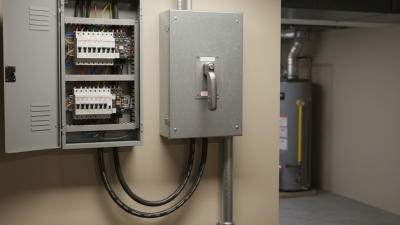
The switch should be easily accessible and located near the electrical panel. This ensures a seamless connection during power outages. An ideal location minimizes the distance between the switch and the utility supply. It's important to follow all local codes during installation. Failing to do so might lead to complications down the line.
Maintenance of a transfer switch includes regular inspections and testing. Check for signs of wear, loose connections, or corrosion at least twice a year.
These issues can cause failures when you need the switch most. Keeping the area around the switch clear of debris aids in safety and functionality. Sometimes, visual inspections are not enough. Professional servicing can catch hidden problems that are hard to detect.
While the installation process may seem straightforward, it's not without challenges. Incomplete knowledge can lead to incorrect wiring. This can be dangerous and costly.
Understanding the electrical requirements and load calculations is essential. Engaging a qualified electrician can be beneficial to ensure reliability and safety. Reflecting on these maintenance tasks can prolong the life of your transfer switch. Proper care can prevent unexpected failures and ensure preparedness during emergencies.






 Claire
 Mr.Fu
Mr.Fu

 Claire