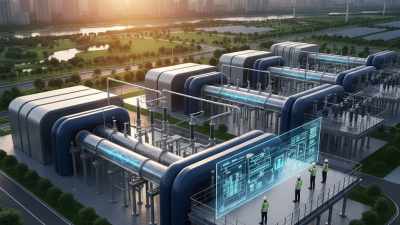
Choosing the right Switchgear Panel in 2026 demands more than comparing prices, ratings, and delivery dates. Global buyers must match panel design with voltage levels, fault conditions, climate, maintenance skills, and local grid practices. An indoor air-insulated panel may suit a dry factory, while a gas-insulated solution can save space in a dense urban substation. Harsh coastal sites need stronger enclosure protection, corrosion control, and careful sealing. Small details matter.
This guide examines low-voltage, medium-voltage, air-insulated, gas-insulated, metal-clad, modular, and smart switchgear panel types. It considers practical factors that purchasing teams often discover during installation, not only during quotation reviews. Certification evidence, type-test reports, routine-test records, arc-resistance data, and documented factory quality controls should support every serious comparison. Standards such as IEC and IEEE can provide a useful reference, but buyers must still confirm project-specific and national requirements.
No single panel wins everywhere. Cost estimates can also mislead when installation, spare parts, training, and future expansion are ignored. A compact panel may reduce floor space yet complicate maintenance access. A digital protection system can improve visibility, but it requires dependable communication networks and skilled technicians. These trade-offs deserve honest attention. Some recommendations may change when climate data, utility rules, or transformer characteristics change. Buyers should therefore treat this overview as a technical starting point, then validate each option with qualified engineers, manufacturers, and independent inspectors before final approval.
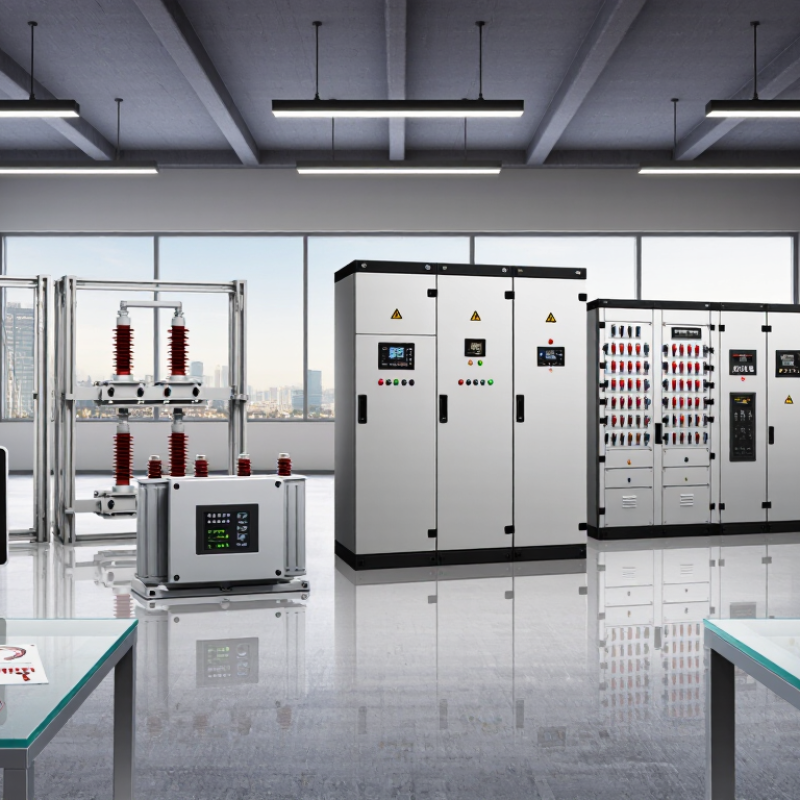
2026 Best Switchgear Panel Types for Global Buyers?
Voltage class should guide the panel decision before enclosure design or accessory selection. Low-voltage switchgear serves systems up to 1,000 V AC, commonly feeding factories, buildings, and data centers. IEC 61439 focuses on low-voltage assemblies, including verification for temperature rise, short-circuit strength, and insulation. At this level, compact air-insulated panels often improve access and reduce installation complexity. Space remains a practical constraint.
Medium-voltage switchgear covers 1–52 kV in this buyer-focused classification. IEC 62271-200 addresses metal-enclosed AC switchgear above 1 kV and up to 52 kV. Vacuum circuit breakers are widely selected for feeders, transformers, and industrial motors because they limit maintenance exposure. The International Energy Agency’s Electricity 2024 report expects global electricity demand to grow by about 3.4% annually through 2026. That growth increases pressure on reliable distribution equipment, especially in expanding industrial zones.
High-voltage switchgear applies above 52 kV and requires stronger insulation coordination, larger clearances, and more demanding testing. IEC 62271 standards cover key high-voltage switching equipment and circuit-breaker requirements. Buyers should verify altitude, humidity, seismic conditions, fault level, and grid frequency before comparing quotations. A panel rated only by voltage may still fail the project need. I have seen specifications overlook cable termination space. That is an expensive mistake. The classification is useful, but it is not the whole decision.
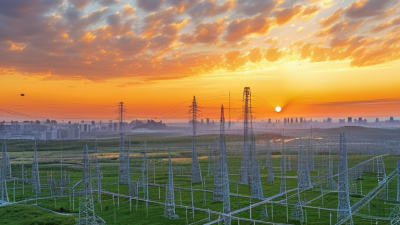
Air, gas, vacuum, and solid-insulated panels serve different operating realities.
Air-insulated switchgear remains practical for indoor substations and cost-sensitive projects. It offers visible separation and simpler maintenance. However, it needs more floor space and careful protection against dust and humidity.
Gas-insulated panels provide compact layouts, useful in dense cities and offshore facilities. Yet, buyers must check gas management, leak monitoring, and environmental requirements.
Vacuum switchgear is now a strong medium-voltage option. Its interrupters handle frequent switching with limited contact wear.
Solid-insulated panels reduce exposed live parts and can support compact, low-maintenance installations. Their repair process may be less forgiving. That matters.
The IEA Electricity 2024 report expects global electricity demand to rise by about 4% annually through 2026. That growth increases pressure on reliable distribution equipment.
MarketsandMarkets’ 2024 switchgear study also forecasts continued market expansion, although published estimates differ by scope.
Tips:
Match the panel to voltage, altitude, humidity, short-circuit duty, and maintenance skills. Request test evidence aligned with IEC 62271. Ask for lifecycle data, not only purchase price. Review SF6 alternatives carefully, especially where reporting rules are tightening.
A low initial quote can hide difficult spares, training, or disposal costs. Field experience often exposes these gaps.
Global buyers should compare thermal performance, enclosure ratings, arc-fault protection, and local service capacity. The best technology is not always the newest one. Sometimes, the safer choice is the panel technicians can diagnose quickly.
In 2026, global buyers are examining more than rated voltage and short-circuit capacity. IEC 62271-200 metal-enclosed panels also require careful review of LSC and IAC classifications. These ratings describe service continuity and protection during internal arc events. They are not interchangeable.
LSC2A generally allows other functional units to remain energized while one unit is accessed. However, access to cable connections may remain restricted. LSC2B provides a higher operational separation, allowing safer access to cable connection areas under defined conditions. That distinction matters. Buyers should verify compartment construction, shutters, earthing switches, and approved access procedures. A panel can carry an LSC2 label while offering different practical maintenance conditions.
IAC ratings address personnel protection from internal arcs, not equipment reliability or system availability. The classification must identify tested access sides, such as front, lateral, or rear, and the specified arc duration. Installation clearances, room layout, ceiling height, and pressure-relief paths still matter. Field inspections often reveal a simple weakness: the tested arrangement does not match the installed room. That mistake is avoidable. Request the complete test report, not only a datasheet statement. Also check whether the selected LSC2A or LSC2B design suits the maintenance habits of local operators. Technical documents can look complete. Sometimes they are not.
Indoor Versus Outdoor Switchgear: IP54, IP65, and Climate-Protection Requirements
Indoor switchgear is not automatically protected from harsh conditions. Dust from construction, condensation near cooling systems, and chemical vapors can damage terminals and insulation. IP54 offers protection against limited dust entry and water splashes from several directions. It suits clean indoor rooms with controlled humidity. However, a damp basement may require stronger protection.
Outdoor switchgear faces rain, ultraviolet exposure, windblown dust, salt, insects, and rapid temperature changes. IP65 provides dust-tight protection and resistance to water jets, but it does not mean immersion protection. Cable glands, door seals, hinges, and drainage points must match the enclosure rating. One weak entry can reduce the entire assembly’s practical protection. Small details matter.
Climate protection needs more than a high IP number. In cold regions, anti-condensation heaters may prevent moisture inside the panel. Hot climates may require ventilation, sun shields, or derating calculations. Coastal installations often need corrosion-resistant materials and careful surface treatment. At high elevations, reduced air density can affect insulation and heat dissipation. Field inspections frequently find oversized vents, poor cable sealing, or blocked drains. These errors are easy to underestimate. Buyers should verify temperature range, humidity, solar exposure, altitude, and local electrical requirements before selecting the panel. Standard testing supports confidence, but site conditions still deserve independent review.
The chart compares commonly specified enclosure protection levels for indoor and outdoor switchgear. The first IP digit represents protection against solid objects and dust, while the second digit represents protection against water.
IP31 is generally associated with clean, controlled indoor locations; IP54 is commonly used for sheltered or general outdoor applications; IP65 provides dust-tight protection and resistance to water jets; and IP66 provides dust-tight protection against powerful water jets. Final selection should also consider condensation, ultraviolet exposure, temperature range, corrosion, altitude, icing, and the applicable IEC or local installation standard.
2026 Best Switchgear Panel Types for Global Buyers?
A practical selection matrix should begin with safety, not purchase price. For low-voltage systems, compare assembly verification under IEC 61439. Medium-voltage equipment may require IEC 62271 compliance, while IEEE C37 standards matter in many regional projects. Check insulation levels, ingress protection, earthing, mechanical interlocks, and internal arc classification. These details become critical in a humid coastal plant or a dusty utility room.
Fault ratings need more than one number. Match the panel’s short-circuit withstand current, peak withstand current, and interruption rating to the calculated system fault level. Confirm the rated duration, commonly one or three seconds, and verify protection coordination with upstream and downstream devices. A higher rating is not automatically better. It can increase dimensions, heat losses, and cost without improving the actual installation.
Lifecycle cost deserves a realistic worksheet. Include civil modifications, cable termination space, commissioning tests, spare parts, training, maintenance access, and expected outage losses. Air-insulated panels may simplify inspection, while compact gas-insulated designs can suit restricted rooms. However, service procedures and environmental requirements may differ. Ask for routine-test records and type-test evidence, not only a compliance statement. Site experience matters. A neat spreadsheet can still mislead when local technicians lack training or replacement parts arrive slowly. I would also challenge optimistic maintenance intervals; real dust, heat, and switching frequency often expose weak assumptions.
| Switchgear Panel Type | Typical Voltage Range | Typical Continuous Current | Typical Short-Time Withstand / Fault Rating | Safety Profile | Internal-Arc Capability | Typical IP Protection | Maintenance Access | Space Requirement | Indicative Initial Cost Index* | Indicative Lifecycle Cost Index* | Best-Fit Applications | Primary International Standards |
|---|---|---|---|---|---|---|---|---|---|---|---|---|
| Fixed Low-Voltage Air-Insulated Switchboard | Up to 1,000 V AC | Up to approximately 6,300 A | Commonly 25–100 kA for 1 second, subject to design and test configuration | Good Requires correctly coordinated protection, barriers, earthing, and safe working procedures |
Available in tested assemblies; configuration-dependent | Typically IP31–IP54; higher ratings available with suitable enclosure design | Front or front-and-rear access; fixed devices generally require isolation before replacement | Medium | 1.00 | 1.00 | Commercial buildings, factories, data rooms, motor control, utility auxiliaries, and distribution systems | IEC 61439-1 and IEC 61439-2; IEC 60947 series; IEEE C37.20.1 where applicable |
| Withdrawable Low-Voltage Switchboard | Up to 1,000 V AC | Up to approximately 6,300 A | Commonly 50–100 kA for 1 second, subject to tested assembly and circuit-breaker rating | Very Good Withdrawable positions, shutters, mechanical interlocks, and segregated compartments can reduce exposure |
Often available with tested internal-arc performance; verify access-side classification | Typically IP31–IP54; internal separation may be Form 3b or Form 4b | Excellent; breaker or starter modules can be isolated, tested, and exchanged quickly | Medium to High | 1.25 | 0.85 | Critical facilities, process plants, airports, hospitals, data centers, and high-availability power systems | IEC 61439-1 and IEC 61439-2; IEC 60947-2; IEEE C37.20.1 where applicable |
| Medium-Voltage Metal-Enclosed Air-Insulated Switchgear | Typically 3.3–36 kV | Typically 630–4,000 A | Typically 16–40 kA for 1–3 seconds; higher ratings are available for specific designs | Very Good Metal compartments, earthing switches, shutters, and interlocks support controlled operation |
Commonly specified to IEC internal-arc classes such as AFL or AFLR, subject to tested arrangement | Typically IP4X for enclosure; compartment ratings vary by design | Moderate; breaker compartments may be withdrawable, while cable and busbar work requires isolation | Medium | 1.55 | 1.10 | Industrial plants, utility substations, renewable-energy collector systems, mining, and infrastructure | IEC 62271-200; IEC 62271-100; IEC 62271-102; IEEE C37.20.2 where applicable |
| Medium-Voltage Gas-Insulated Switchgear | Typically 3.3–36 kV | Typically 630–3,150 A | Typically 16–40 kA for 1–3 seconds | Very Good Sealed primary compartments reduce accidental contact with energized conductors |
Internal-arc performance depends on enclosure, pressure-relief path, and tested configuration | Typically IP4X or higher for external enclosure; sealed gas compartment design varies | Low to Moderate; primary insulation system is sealed, but gas monitoring and specialized service may be required | Low | 1.85 | 1.05 | Urban substations, compact buildings, offshore facilities, tunnels, airports, and space-constrained installations | IEC 62271-200; IEC 62271-100; IEC 62271-102; IEC 62271-1 |
| Medium-Voltage Ring Main Unit | Typically 6–24 kV; some designs extend to 36 kV | Typically 630–1,250 A | Typically 12.5–25 kA for 1–3 seconds | Very Good Compact sealed or segregated construction with defined switching and earthing sequences |
Available with tested internal-arc classification; verify cable-box and fuse-compartment performance | Typically IP3X–IP4X externally; higher protection may be available | Low; routine inspection and functional checks are generally simpler than open air-insulated assemblies | Very Low | 1.20 | 0.90 | Urban distribution, commercial buildings, wind and solar collection, compact substations, and secondary distribution | IEC 62271-200; IEC 62271-103; IEC 62271-105; IEC 62271-1 |
| Medium-Voltage Vacuum Circuit-Breaker Panel | Typically 3.3–36 kV | Typically 630–4,000 A | Typically 16–40 kA for 1–3 seconds | Very Good Vacuum interrupters limit arc duration inside the interrupter; enclosure and interlocks remain essential |
Depends on the complete metal-enclosed panel, not only the vacuum interrupter | Typically IP4X for enclosure | Moderate; mechanical operating mechanism and control circuits require periodic inspection | Medium | 1.45 | 0.95 | Motor feeders, transformer feeders, industrial distribution, utilities, and renewable-energy substations | IEC 62271-100; IEC 62271-200; IEC 62271-1; IEEE C37.04 and IEEE C37.09 where applicable |
| Outdoor Air-Insulated Medium-Voltage Switchgear | Typically 3.3–36 kV | Typically 630–2,000 A | Typically 12.5–31.5 kA for 1–3 seconds | Good Suitable enclosure, weather protection, clearances, and remote operation are important for outdoor safety |
Internal-arc requirements vary; outdoor arc-flash containment must be assessed separately | Typically IP54–IP65 for outdoor housing | Moderate to High; exposed mechanisms and insulators may require more environmental inspection | High | 1.15 | 1.15 | Utility substations, industrial yards, mines, solar plants, and locations where indoor space is limited | IEC 62271-200; IEC 62271-100; IEC 62271-102; IEC 60529 |
| High-Voltage Gas-Insulated Switchgear | Typically above 52 kV; common transmission classes include 72.5–550 kV | Typically 1,250–5,000 A | Commonly 31.5–63 kA for 1–3 seconds, depending on voltage class and network duty | Excellent Sealed conductors, controlled electric fields, and compact metal enclosures reduce exposure risks |
Designed around pressure-relief and compartmentalized gas-insulated construction; verify project-specific type tests | Typically IP4X or higher for external enclosure; gas compartments are sealed to specified leakage limits | Low during normal service; specialized gas handling, diagnostics, and trained personnel are required | Very Low | 3.50 | 1.35 | Transmission substations, urban grid nodes, underground substations, coastal sites, and high-value compact installations | IEC 62271-203; IEC 62271-100; IEC 62271-102; IEC 62271-1 |