Top 10 Gis Substation Solutions for Global Buyers in 2026?
The demand for efficient and reliable energy solutions continues to rise globally, and GIS substations play a vital role in this transformation. As utilities seek to enhance their infrastructure, they turn to advanced technology to meet the growing needs of the market. GIS substation technology offers compact designs, reduced footprint, and improved safety features. Buyers are prioritizing these innovations for their ability to adapt to urban environments.
In 2026, several GIS substation solutions will emerge as leaders in the market. Their effectiveness can greatly impact operational efficiency and maintenance costs. However, selecting the right solution can be challenging, given the diverse options available. Companies must weigh the benefits against potential challenges, ensuring that they choose a solution that fits their specific needs.
Investing in GIS substation technology requires careful consideration. While many solutions promise innovation, some fall short of expectations. It's crucial for buyers to conduct thorough research and leverage expert insights. Understanding the strengths and weaknesses of different GIS substation solutions will ultimately determine their success in a competitive landscape.

Overview of GIS Substation Technology and Its Importance in 2026
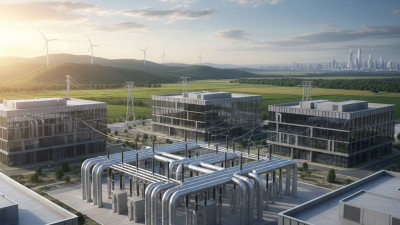
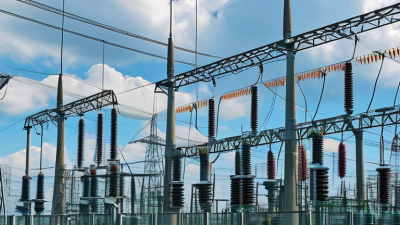
Gas-insulated switchgear (GIS) substations are pivotal in the modern energy landscape. Their compact design and enhanced reliability make them ideal for urban settings. As cities grow, traditional substations become less viable. GIS technology minimizes the space needed for installations, fitting seamlessly into congested environments. This is particularly crucial in regions where land is expensive and scarce.
In 2026, the demand for efficient power solutions will escalate. GIS substations can hold up against severe weather, ensuring a stable power supply. Their lower maintenance needs are another advantage. However, there are still challenges, such as high initial investment costs and the need for specialized training for operators. Not all stakeholders fully understand their long-term benefits, which can hinder adoption.
Moreover, as technology evolves, the importance of integrating AI and IoT solutions into GIS technology increases. These advancements promise improved operational efficiency and real-time monitoring. Yet, the fast-paced nature of these developments can overwhelm some organizations. It is vital to cultivate expertise and keep pace with trends for successful implementation.
Key Players in the GIS Substation Market: Leading Companies and Innovations
The GIS substation market is evolving rapidly. In 2026, we expect significant innovations and advancements. Companies are investing heavily in smart technologies. Enhanced energy efficiency and reliability are key focuses. The leading players are prioritizing sustainability as they develop their projects.
Tips: Keep an eye on emerging trends. Innovations may reshape standard practices. Always consider the financial implications of new technologies.
Collaboration among different sectors is vital. Partnerships foster innovation and enhance project execution. However, some companies struggle to maintain this synergy. Evaluation of mutual benefits must be prioritized. Real-time feedback is crucial for improving outcomes.
Tips: Regular assessments can improve synergy. Proactive communication is essential. Invest in training programs to build strong teams.
Top 10 Gis Substation Solutions for Global Buyers in 2026
| Ranking |
Solution Name |
Technology Type |
Innovative Features |
Market Share (%) |
| 1 |
Compact GIS Solution |
Hybrid Technology |
Space-saving design, Low lifecycle costs |
20% |
| 2 |
Modular GIS System |
Modular Design |
Flexible scalability, Easy installation |
18% |
| 3 |
Smart GIS Solution |
IoT Integration |
Real-time monitoring, Advanced analytics |
15% |
| 4 |
Outdoor GIS Technology |
Weatherproof Designs |
Robust against environmental factors |
12% |
| 5 |
Advanced Protection GIS |
Enhanced Safety Features |
Cutting-edge protection mechanisms |
10% |
| 6 |
Digital Twin GIS |
Simulation Technology |
Virtual modeling for maintenance |
8% |
| 7 |
Eco-friendly GIS |
Sustainable Materials |
Low environmental impact |
7% |
| 8 |
Integrated Control GIS |
Centralized Control |
Streamlined operations, Easier control |
6% |
| 9 |
Innovative Energy GIS |
High Efficiency |
Energy savings, Cost reduction |
4% |
| 10 |
Customizable GIS Solution |
Bespoke Design |
Tailored to specific needs |
2% |
Top 10 GIS Substation Solutions: Features and Specifications for Buyers
In 2026, the demand for GIS substation solutions is expected to rise significantly. These solutions are crucial for ensuring efficient energy distribution. Buyers should pay close attention to key features and specifications that enhance performance.
One vital aspect to consider is the modular design. This allows for easy expansion and customization based on needs. Additionally, reliability is crucial. Solutions should have high uptime and maintenance features. For instance, remote monitoring can help detect issues early, reducing downtime. Review the materials used; durable materials ensure a longer lifespan.
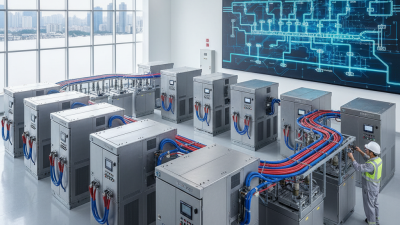
Another critical feature is the integration with smart grid technologies. Compatibility with advanced analytics tools enhances operational efficiency. Look for clear communication protocols for seamless connectivity. However, not all systems provide intuitive interfaces. An easier user experience can significantly impacts how quickly staff can adapt. Exploring different options can help identify the right mix of features that meet operational goals.
Comparative Analysis of Cost-Effectiveness of GIS Solutions in 2026
As power demands escalate, Gas Insulated Switchgear (GIS) solutions are gaining traction. Analyzing cost-effectiveness becomes vital in 2026. GIS systems offer compact designs, reducing land use and installation costs. However, the initial investment remains significant. Buyers must balance upfront costs with long-term benefits.
Various GIS solutions show different efficiency levels. Some systems are more energy-efficient, leading to lower operational costs. Others may require more maintenance, affecting overall budget allocations. It’s essential to evaluate each option thoroughly.
Cost-effectiveness analysis is nuanced. Buyers often overlook hidden expenses, like training or potential downtime during installation. Assessing total lifecycle costs can reveal surprising insights. Decision-makers may find that the cheapest option isn't the most sustainable choice in the long run. Therefore, careful consideration and expert insights are essential for optimum selections.
Top 10 GIS Substation Solutions Cost-Effectiveness Analysis (2026)
Future Trends in GIS Substation Design and Implementation Strategies
As the demand for efficient power distribution grows, so do the trends in GIS substation design. In 2026, the integration of digital technologies will likely influence these designs significantly. Data from industry reports suggest that the market for GIS substations is projected to reach $15 billion by 2026, reflecting a compound annual growth rate of 8.3%. This growth highlights the increasing importance of sustainability and reliability in electrical grid management.
The implementation of smart grid technologies will reshape operational strategies. Real-time data analytics and automation will reduce downtime. However, integrating these systems poses challenges. Maintaining compatibility between old and new technologies is often an issue that requires careful attention. As the industry pushes towards modernization, it is critical to ensure that staff receive adequate training.
**Tip:** Prioritize training early in the design phase. Equip your team with the necessary skills to handle new technologies and systems. Addressing integration challenges head-on will make for smoother transitions.
The aesthetic aspects of GIS substation design will also evolve. Increased urbanization calls for improved aesthetics, reducing visual impact on communities. However, balancing form and function remains a persistent challenge. Designers must not only prioritize efficiency but also engage with community concerns.
**Tip:** Engage with stakeholders early to address potential concerns. Their input can guide the design process and foster community support.







 Claire
 Mr.Fu
Mr.Fu

 Claire